
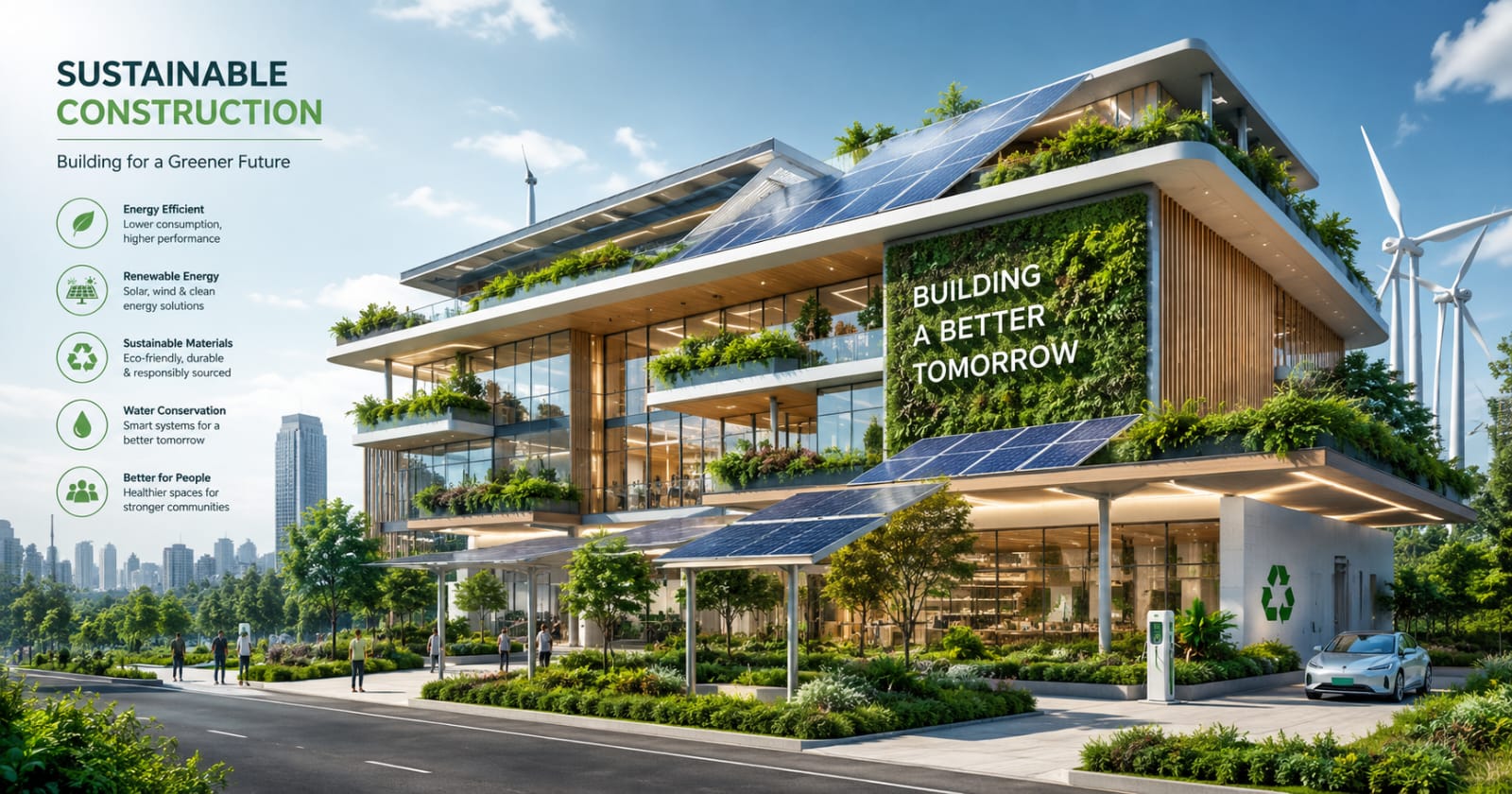
🌱 Sustainable Construction: Building for the Future
As cities expand and infrastructure continues to grow, the construction industry has a vital role to play in protecting the environment. Sustainable construction is an approach that focuses on designing, building, and maintaining structures in a way that minimizes environmental impact while maximizing efficiency, durability, and long-term value.
It is not just about using eco-friendly materials—it is about creating buildings that consume less energy, conserve natural resources, reduce waste, and provide healthier living and working environments. Sustainable construction benefits homeowners, businesses, and future generations by lowering operating costs and contributing to a greener planet.
Why Sustainable Construction Matters
The construction industry is one of the largest consumers of natural resources and a major contributor to carbon emissions. By adopting sustainable practices, we can significantly reduce environmental impact while improving building performance and reducing long-term maintenance costs.
A sustainable building is designed not only to stand strong but also to work efficiently throughout its entire lifecycle.
Key Principles of Sustainable Construction
1. Smart Site Planning
Every successful project begins with proper planning. Choosing the right location, preserving natural landscapes, optimizing sunlight, and ensuring efficient drainage reduce environmental impact before construction even begins.
Benefits:
- Better land utilization
- Reduced soil erosion
- Improved water management
- Enhanced natural lighting and ventilation
2. Energy-Efficient Building Design
Energy-efficient buildings consume less electricity while maintaining comfortable indoor conditions. Thoughtful architectural planning reduces dependence on artificial lighting and air conditioning.
Best Practices:
- Large windows for natural daylight
- Proper insulation
- Cross ventilation
- Energy-efficient lighting systems
- Solar power integration
Benefits:
- Lower electricity bills
- Reduced carbon footprint
- Increased property value
3. Use of Eco-Friendly Construction Materials
Selecting sustainable materials helps conserve natural resources while improving the durability of the structure.
Examples include:
- Fly ash bricks
- AAC (Autoclaved Aerated Concrete) blocks
- Recycled steel
- Bamboo
- Engineered wood
- Low-VOC paints
- Recycled concrete aggregates
Benefits:
- Reduced environmental impact
- Better thermal insulation
- Lower waste generation
- Longer building life
4. Water Conservation
Water is one of the most valuable resources during and after construction. Sustainable buildings include systems that reduce water consumption and promote reuse.
Water-saving solutions:
- Rainwater harvesting
- Low-flow faucets and showerheads
- Water-efficient toilets
- Greywater recycling
- Drip irrigation for landscaping
Benefits:
- Lower water bills
- Reduced dependence on groundwater
- Better water availability during shortages
5. Waste Management
Construction activities generate large amounts of waste. Effective waste management minimizes landfill use and encourages recycling.
Best Practices:
- Segregate construction waste
- Recycle steel, concrete, and wood
- Reuse excavation materials where possible
- Plan material purchases to reduce excess
Benefits:
- Cleaner construction sites
- Lower disposal costs
- Reduced environmental pollution
6. Indoor Environmental Quality
Healthy buildings improve the well-being of occupants by maintaining clean air, comfortable temperatures, and natural lighting.
Important features:
- Proper ventilation
- Natural daylight
- Low-emission paints and adhesives
- Dust control during construction
- Moisture prevention
Benefits:
- Better health
- Increased productivity
- Enhanced comfort
7. Durable and Low-Maintenance Construction
Sustainability also means building structures that require fewer repairs over time.
Focus Areas:
- High-quality concrete
- Corrosion-resistant steel
- Waterproofing systems
- Quality finishing materials
- Preventive maintenance planning
Benefits:
- Reduced repair costs
- Longer building lifespan
- Greater return on investment
Modern Sustainable Technologies
The future of construction is being shaped by innovative technologies that improve efficiency and reduce environmental impact.
Some examples include:
- Solar panels for renewable energy
- Smart lighting and automation systems
- Energy-efficient HVAC systems
- Green roofs and vertical gardens
- Permeable pavements for rainwater absorption
- Building Information Modeling (BIM) to reduce material waste
- Prefabricated construction for faster execution and less site waste
Benefits of Sustainable Construction
Environmental Benefits
- Reduced carbon emissions
- Lower pollution levels
- Conservation of natural resources
- Protection of biodiversity
- Reduced landfill waste
Economic Benefits
- Lower energy and water bills
- Reduced maintenance costs
- Higher resale value
- Increased building lifespan
- Better return on investment
Social Benefits
- Healthier indoor environments
- Improved occupant comfort
- Enhanced workplace productivity
- Greater community well-being
- Support for long-term sustainable development
Common Myths About Sustainable Construction
Myth: Sustainable buildings are too expensive.
Reality: While initial costs may sometimes be slightly higher, lower operating and maintenance expenses often make sustainable buildings more cost-effective over their lifetime.
Myth: Eco-friendly materials are less durable.
Reality: Many sustainable materials are engineered to provide excellent strength, durability, and long service life.
Myth: Sustainable construction is only suitable for large projects.
Reality: Homes, offices, schools, hospitals, and commercial buildings of all sizes can benefit from sustainable construction practices.
Building a Better Future
Sustainability is no longer an option—it is becoming an essential part of modern construction. Clients increasingly seek buildings that are efficient, environmentally responsible, and economical to operate. By integrating smart planning, quality materials, energy-efficient systems, and responsible construction practices, we can create spaces that serve today’s needs without compromising the resources of tomorrow.
Conclusion
Sustainable construction is about more than protecting the environment—it is about building smarter, reducing long-term costs, improving quality of life, and creating structures that stand the test of time. Every thoughtful decision, from site planning and material selection to energy efficiency and waste reduction, contributes to a stronger, greener, and more resilient future. Investing in sustainable construction today means leaving a lasting legacy of responsible development for generations to come.
Related Articles
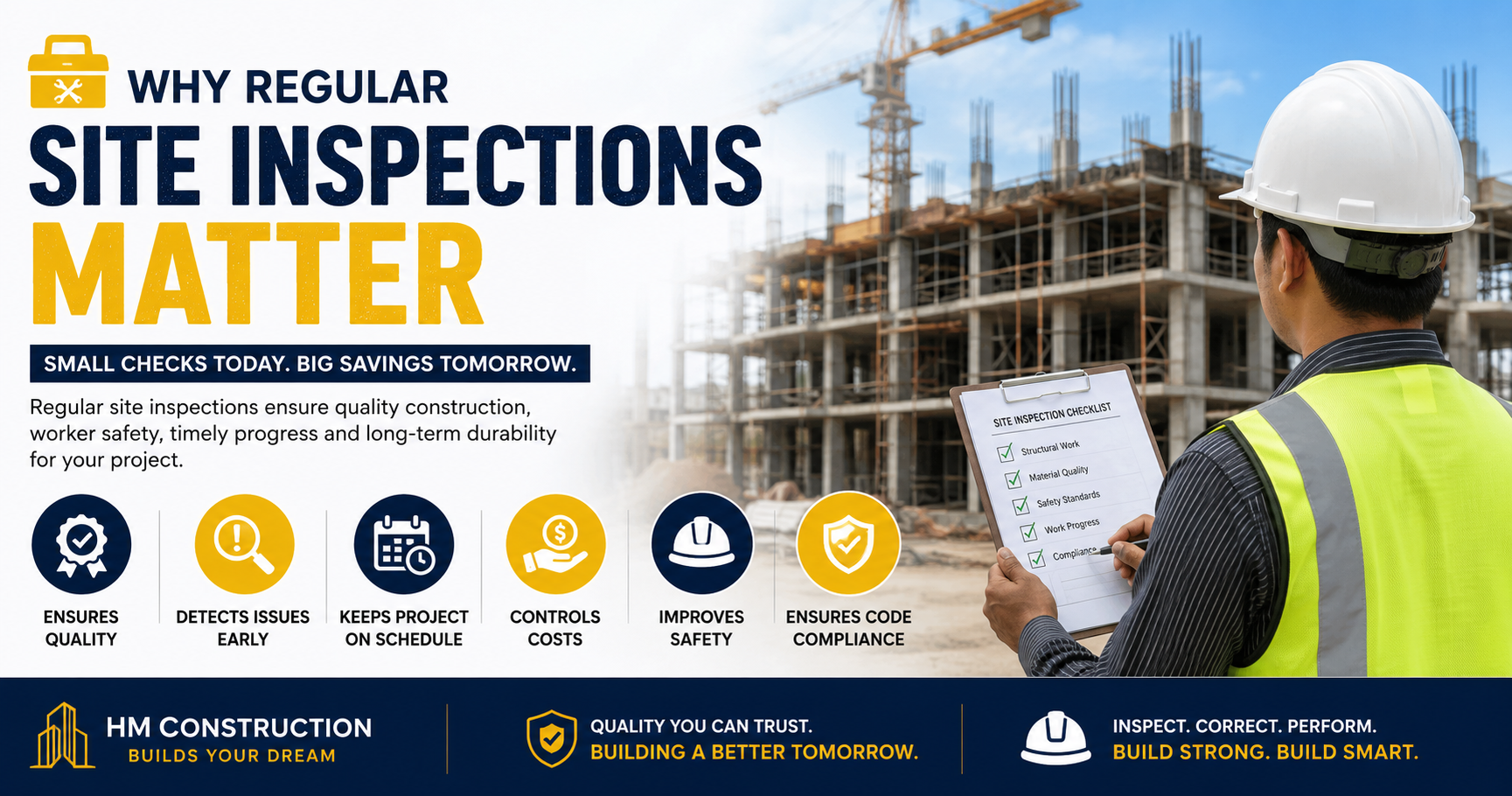
🧰 Why Regular Site Inspections Matter
🧰 Why Regular Site Inspections Matter Building Quality Starts with Consistent Supervision Construction is mor...
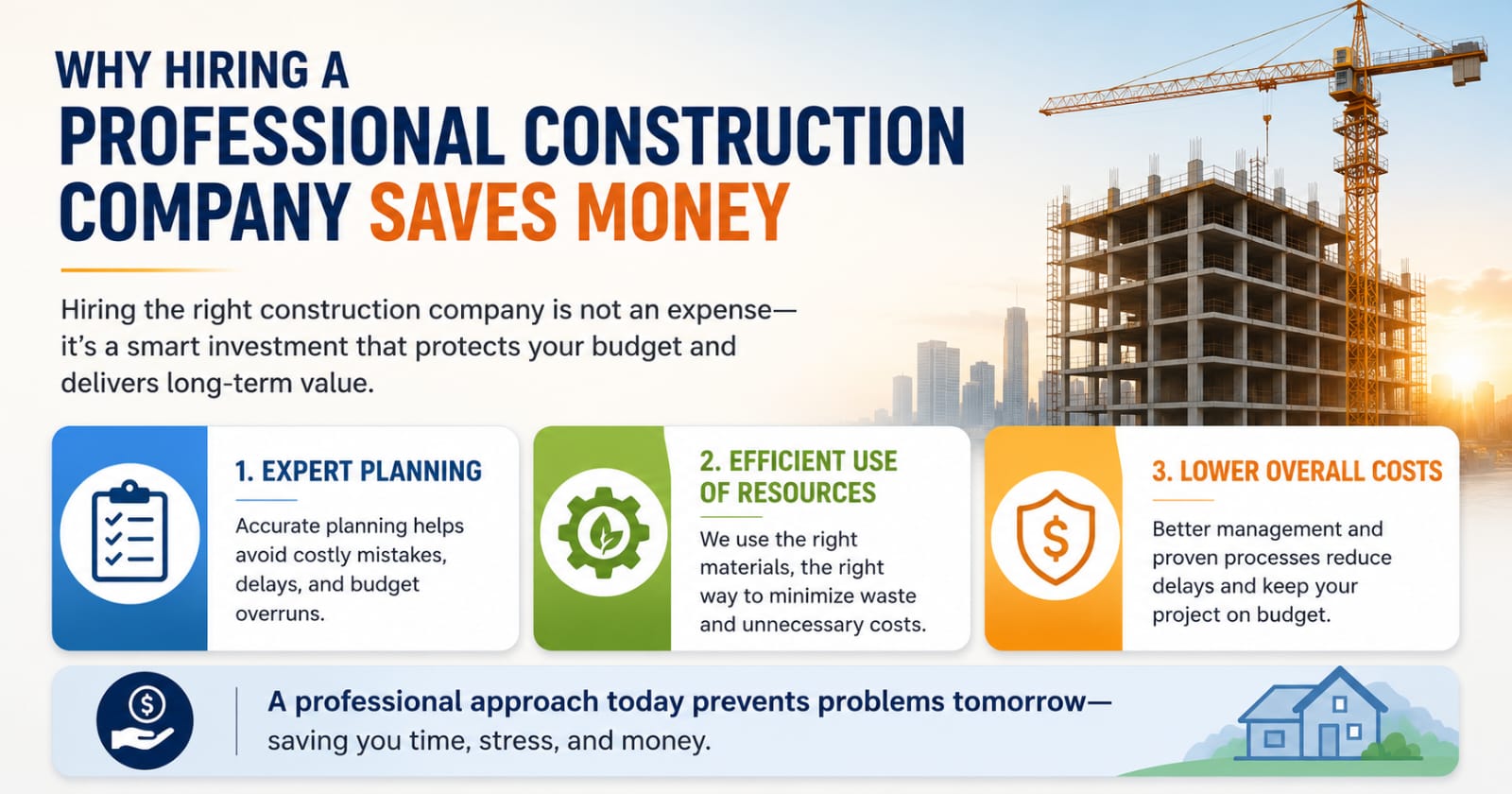
🧰 Why Hiring a Professional Construction Company Saves Money
🧰 Why Hiring a Professional Construction Company Saves Money Building a home or commercial property is one of...
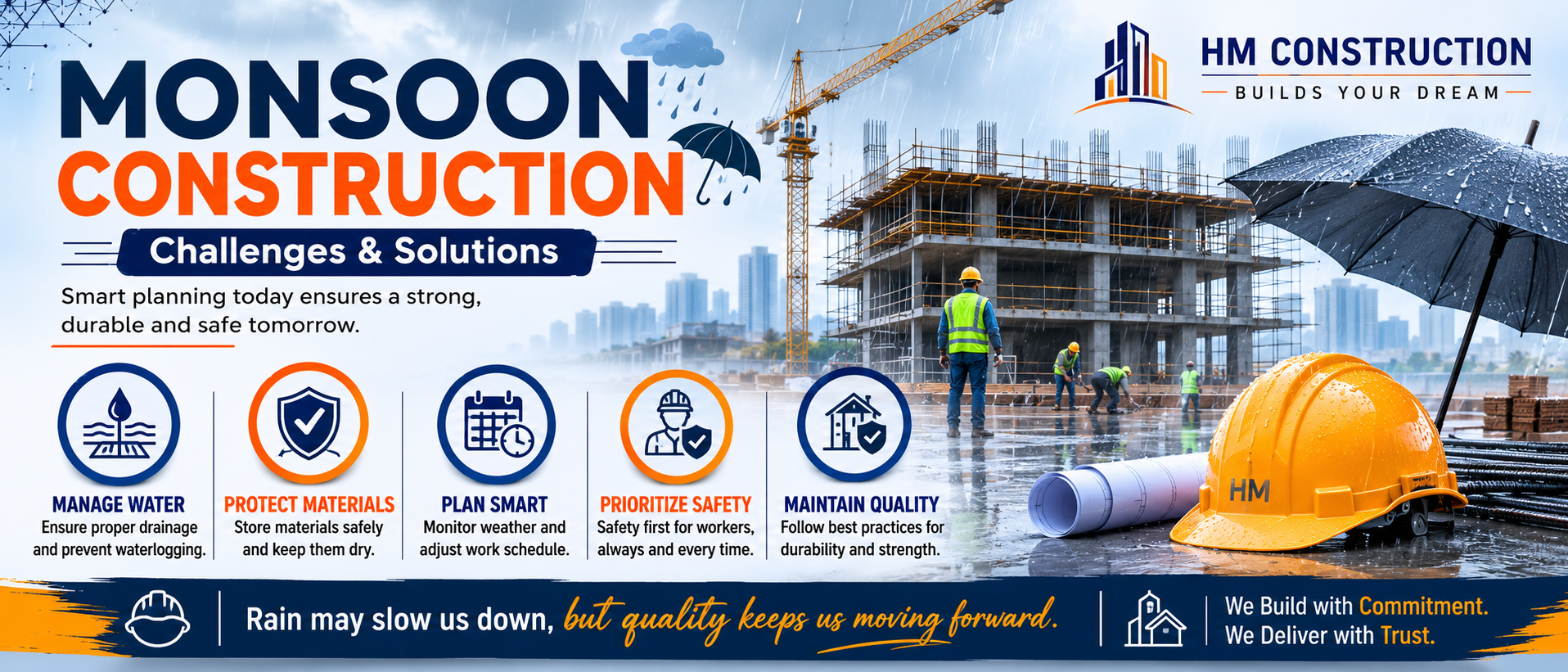
🌧️ Monsoon Construction: Challenges & Solutions
🌧️ Monsoon Construction: Challenges & Solutions Building Strong Even During the Rainy Season The monsoon ...