
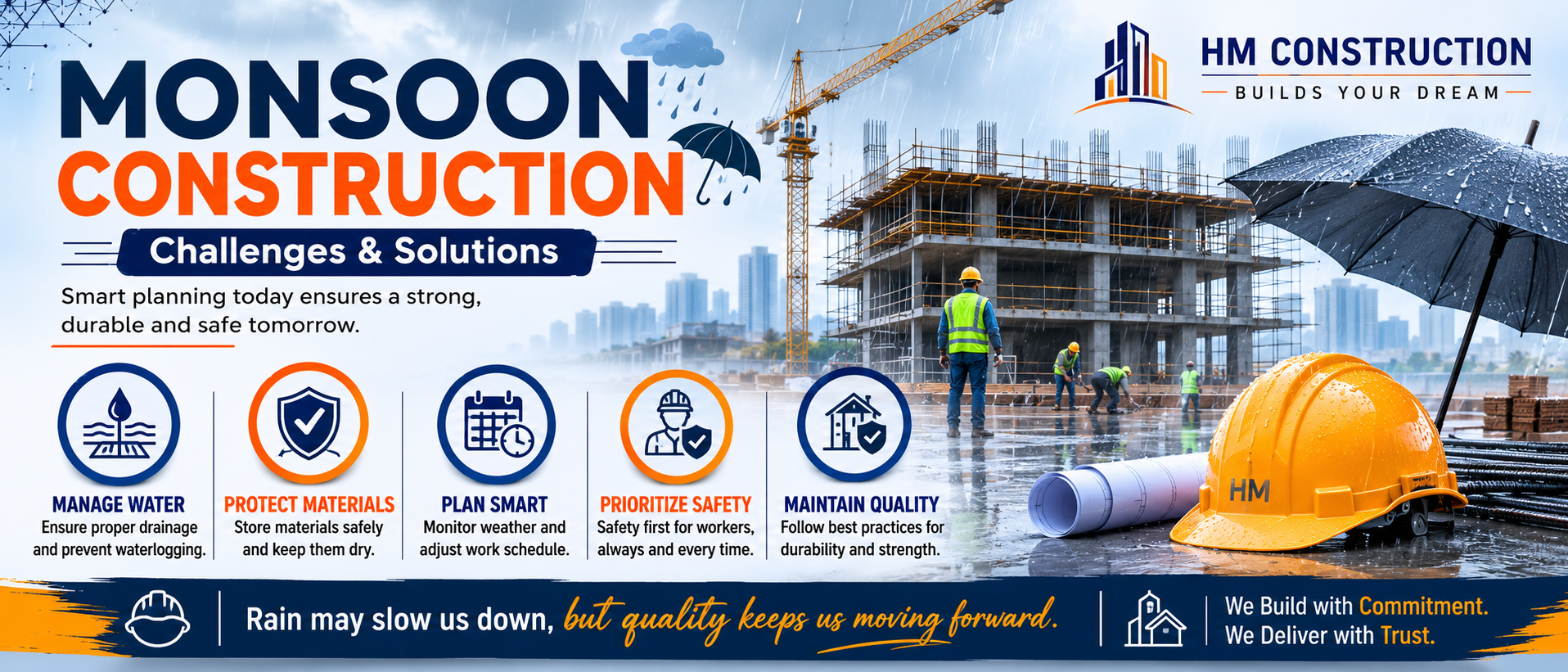
🌧️ Monsoon Construction: Challenges & Solutions
Building Strong Even During the Rainy Season
The monsoon season brings much-needed relief from the heat, but it also creates significant challenges for construction projects. Heavy rainfall, high humidity, and waterlogged sites can delay work, damage materials, and compromise structural quality if proper precautions are not taken.
However, with careful planning, the right construction practices, and proactive site management, projects can continue safely and efficiently during the rainy season.
🌧️ Why Is Monsoon a Challenging Season for Construction?
Rain affects nearly every stage of construction—from excavation and foundation work to concrete curing and finishing. Excess moisture can weaken soil, delay material transportation, and reduce productivity if the site is not properly managed.
The key is not to stop construction completely, but to adapt the construction process according to weather conditions.
⚠️ Major Challenges During Monsoon Construction
1. Waterlogging at the Construction Site
Heavy rainfall can flood excavation areas and create muddy working conditions.
Problems:
- Delays foundation work.
- Weakens soil stability.
- Makes machinery difficult to operate.
- Increases safety hazards for workers.
Solution:
- Install temporary drainage channels.
- Use dewatering pumps to remove excess water.
- Maintain proper site grading for quick water runoff.
- Cover excavation areas when rain is expected.
2. Concrete Quality Can Be Affected
Rainwater mixing with freshly poured concrete can reduce its strength and durability.
Problems:
- Surface erosion.
- Reduced compressive strength.
- Uneven finishing.
- Increased risk of cracks.
Solution:
- Avoid concrete pouring during heavy rainfall.
- Cover fresh concrete with waterproof sheets immediately after pouring.
- Ensure proper curing after rain stops.
- Monitor weather forecasts before scheduling concrete work.
3. Damage to Construction Materials
Materials like cement, sand, steel, and wood are vulnerable to moisture.
Problems:
- Cement absorbs moisture and loses strength.
- Steel reinforcement may rust.
- Timber can swell or warp.
- Electrical materials may become unsafe.
Solution:
- Store cement in dry, elevated storage areas.
- Cover steel with waterproof tarpaulins.
- Keep electrical materials in enclosed storage.
- Inspect materials regularly for moisture damage.
4. Delays in Project Timeline
Unexpected rainfall can interrupt daily construction activities.
Problems:
- Labor productivity decreases.
- Material transportation is delayed.
- Equipment movement becomes difficult.
- Increased project costs.
Solution:
- Build buffer time into the project schedule.
- Prioritize indoor or prefabrication work during rainy days.
- Maintain a flexible work plan based on weather updates.
5. Worker Safety Risks
Wet surfaces increase the chances of slips, falls, and electrical hazards.
Problems:
- Slippery pathways.
- Electrical accidents.
- Poor visibility.
- Increased risk of machinery accidents.
Solution:
- Provide non-slip safety footwear.
- Ensure proper site lighting.
- Cover electrical installations.
- Conduct daily safety briefings during monsoon.
🏗️ Best Practices for Monsoon Construction
✅ Plan Construction Activities According to Weather
Schedule excavation, concreting, and waterproofing during periods of lower rainfall whenever possible.
✅ Improve Site Drainage
A well-designed drainage system prevents water accumulation and protects foundations.
✅ Protect Building Materials
Proper storage extends the life of materials and reduces unnecessary waste.
✅ Monitor Weather Forecasts Daily
Using reliable weather updates helps construction teams plan work efficiently and avoid unnecessary delays.
✅ Focus on Waterproofing
Monsoon is the perfect time to identify potential leakage points before project completion.
Areas requiring special attention:
- Roof slabs
- Basements
- Bathrooms
- Balconies
- External walls
- Water tanks
✅ Increase Site Inspections
Regular inspections help detect:
- Water seepage
- Foundation settlement
- Material deterioration
- Safety hazards
Early detection prevents costly repairs later.
🌱 Advantages of Proper Monsoon Planning
✔ Better construction quality
✔ Reduced material wastage
✔ Improved worker safety
✔ Fewer project delays
✔ Lower maintenance costs
✔ Increased building durability
📌 Expert Tips
- Never use wet cement bags.
- Avoid placing reinforcement steel directly on wet ground.
- Cover freshly laid brickwork during heavy rain.
- Ensure electrical tools are properly insulated.
- Test waterproofing before interior finishing begins.
- Maintain emergency pumps on-site for sudden water accumulation.
💡 Conclusion
The monsoon season doesn’t have to stop construction—it simply requires smarter planning, stronger site management, and strict quality control. By protecting materials, ensuring proper drainage, following safety protocols, and adapting work schedules to weather conditions, construction projects can continue successfully even during heavy rains.
A well-managed monsoon construction site not only minimizes delays but also ensures the building remains safe, durable, and built to last.
Related Articles
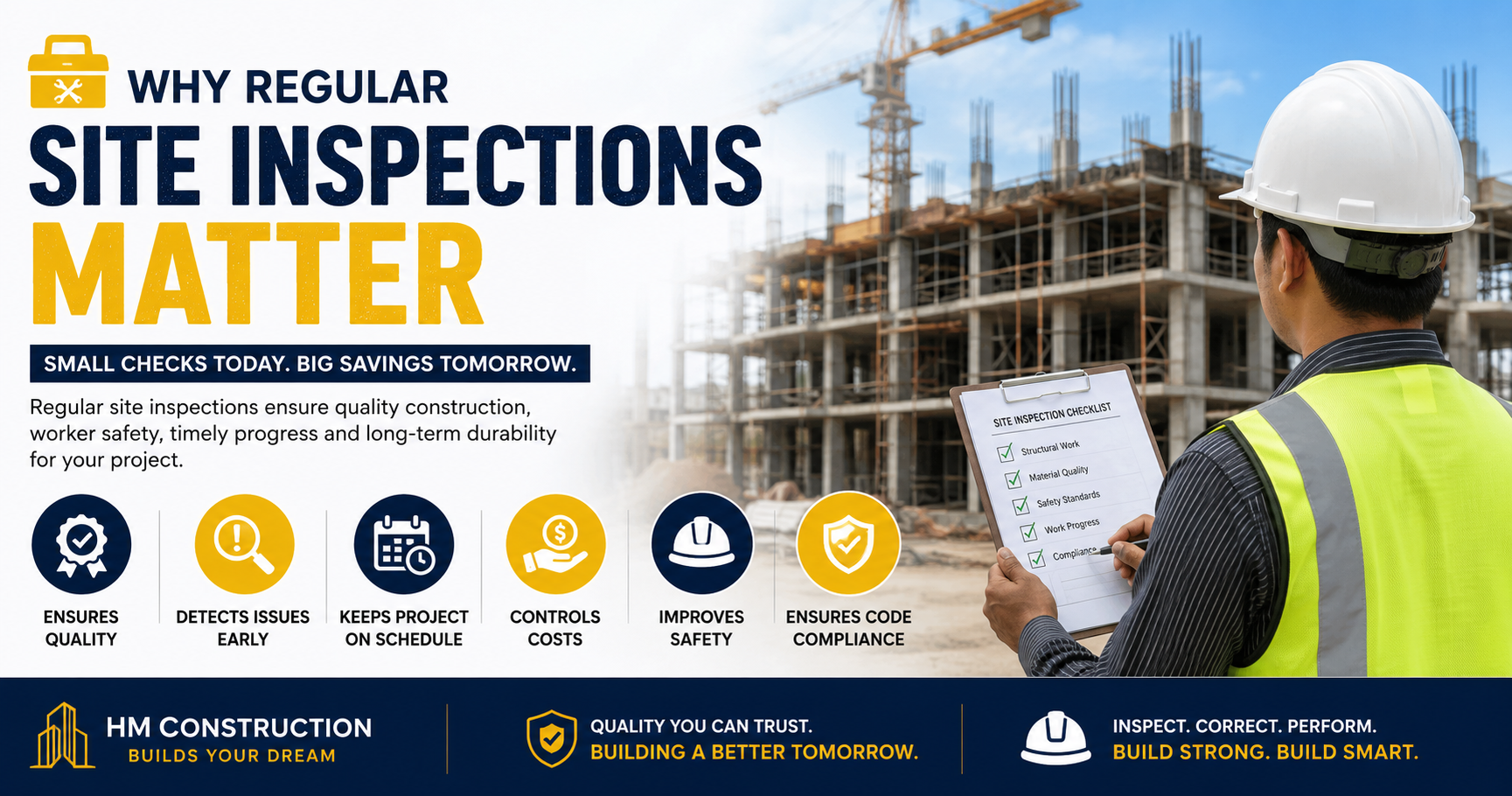
🧰 Why Regular Site Inspections Matter
🧰 Why Regular Site Inspections Matter Building Quality Starts with Consistent Supervision Construction is mor...
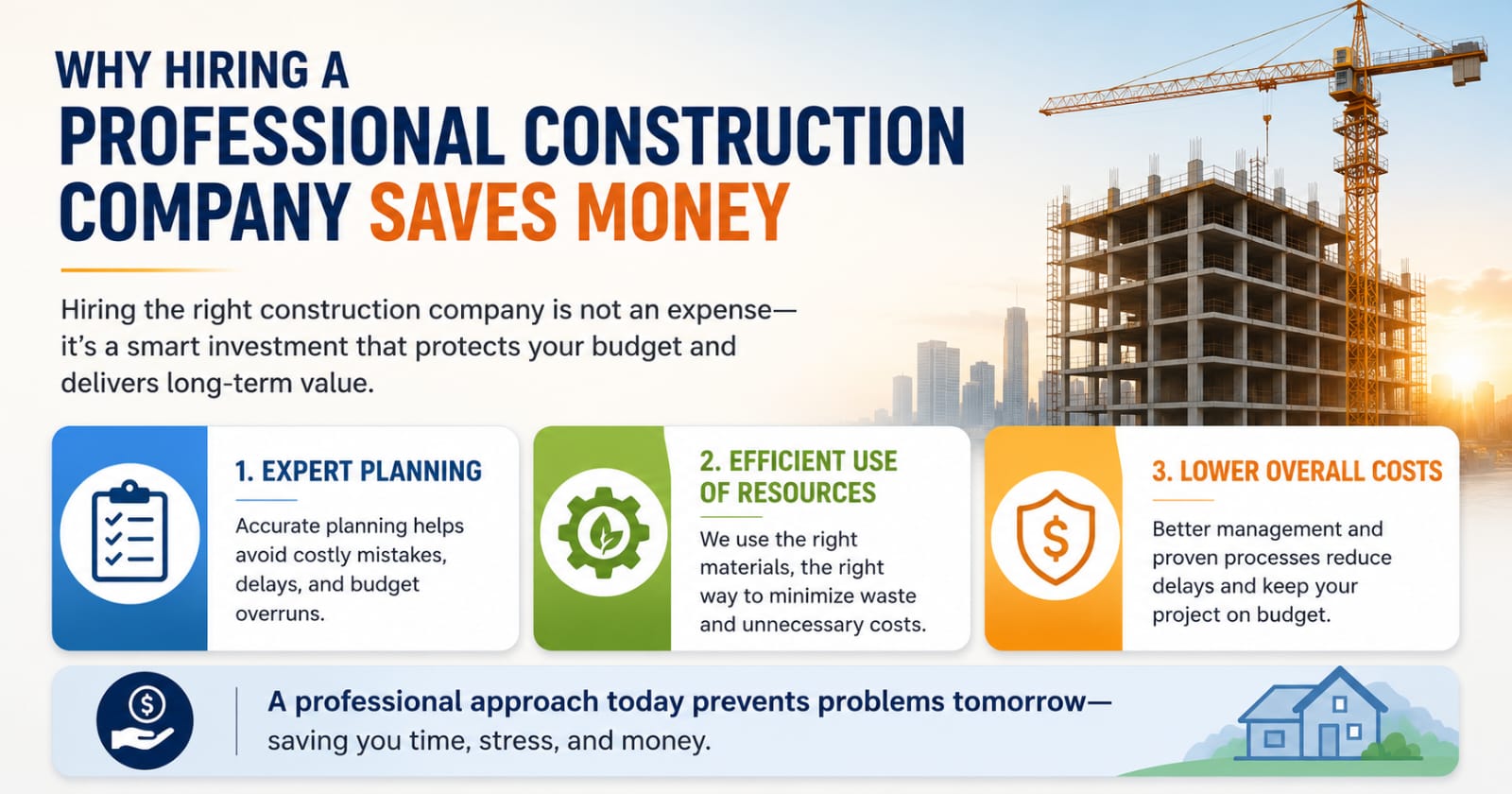
🧰 Why Hiring a Professional Construction Company Saves Money
🧰 Why Hiring a Professional Construction Company Saves Money Building a home or commercial property is one of...
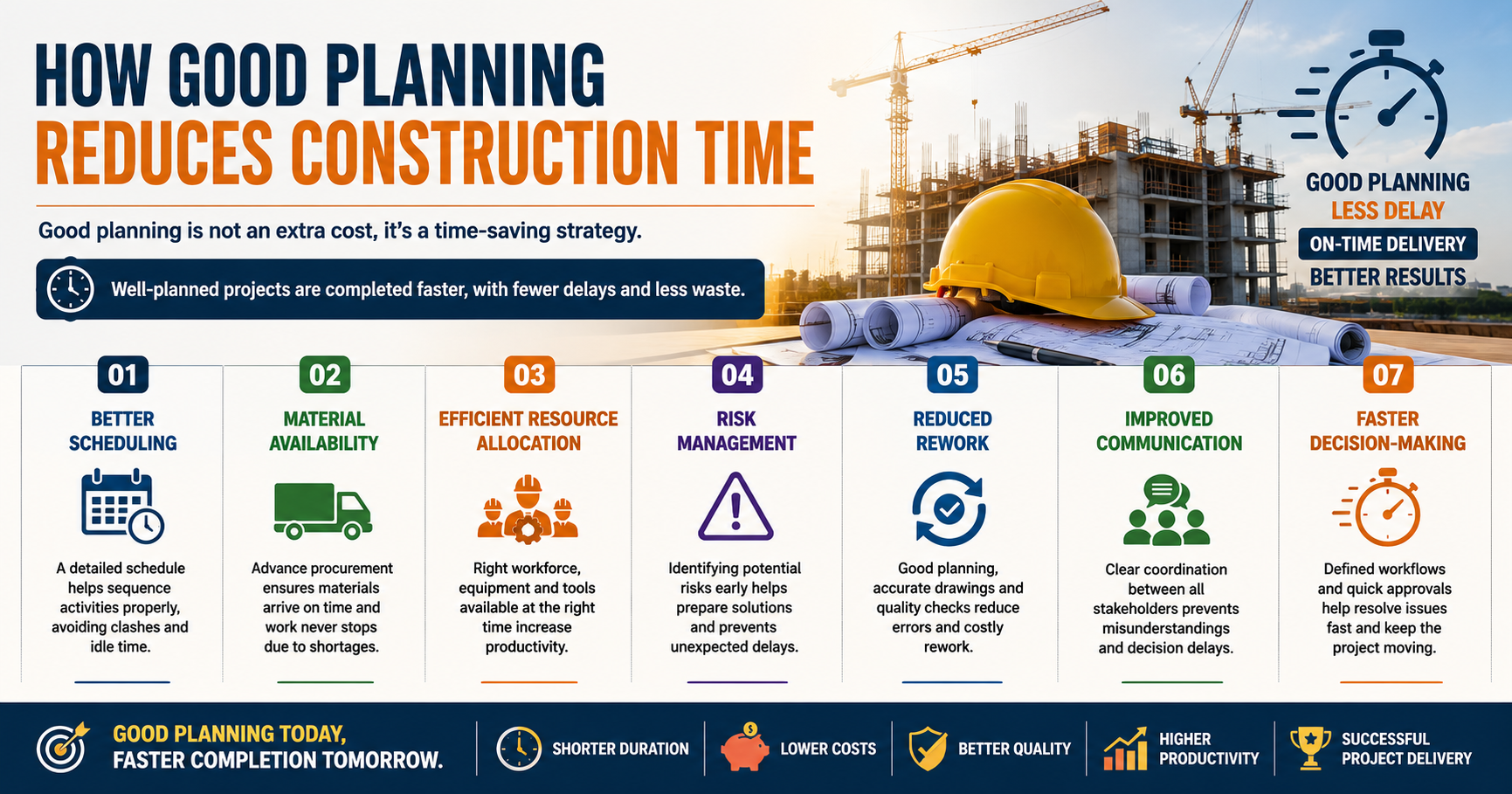
How Good Planning Can Reduce Construction Time
🏗️ How Good Planning Can Reduce Construction Time Every successful construction project starts long before th...