
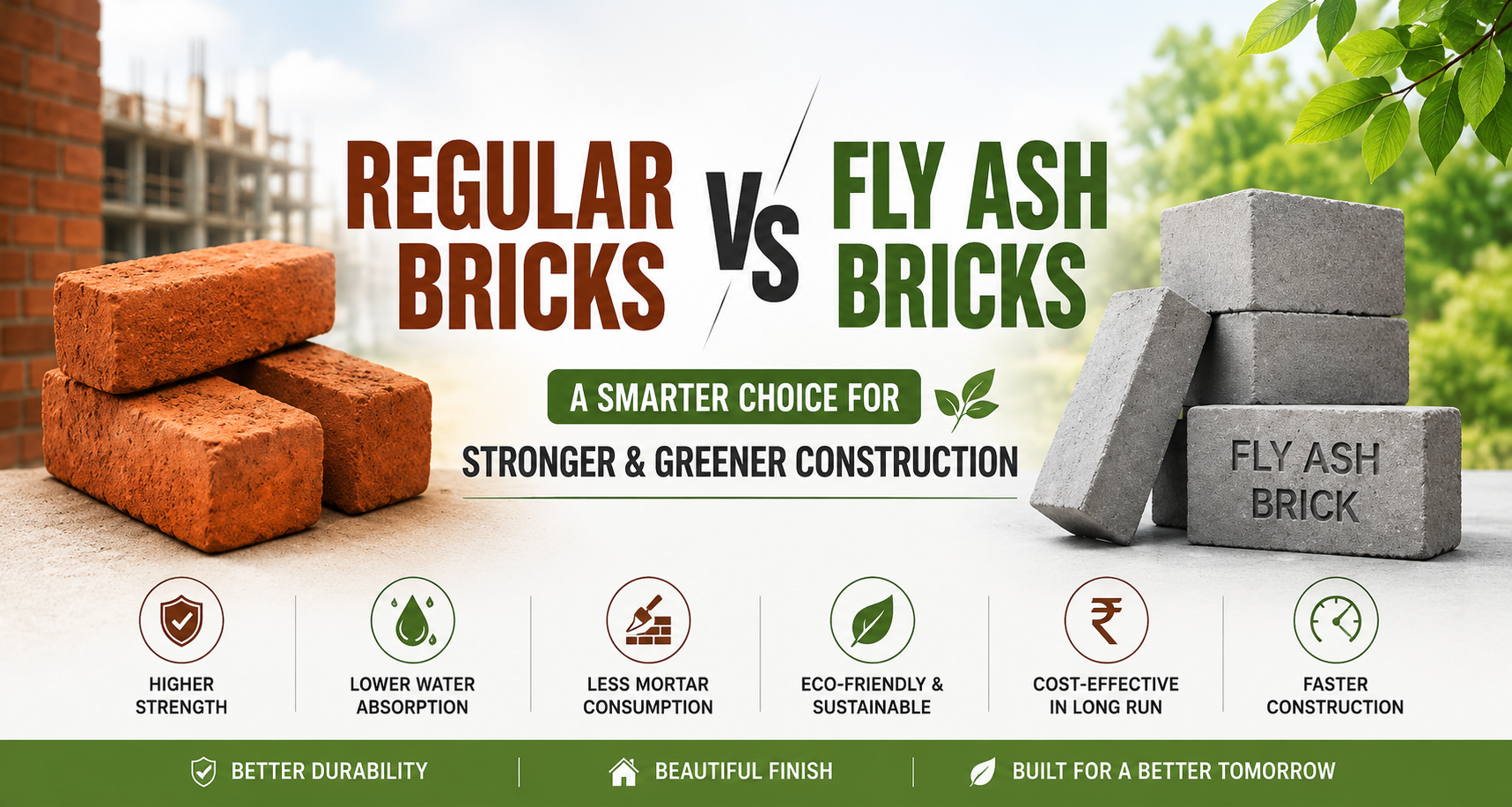
Choosing the right brick is essential for ensuring the strength, durability, and sustainability of any construction project. The table below highlights the key differences between Regular Clay Bricks and Fly Ash Bricks.
| Parameter | Regular Bricks (Clay Bricks) | Fly Ash Bricks |
|---|---|---|
| Raw Material | Natural clay and topsoil | Fly ash, cement, sand, and water |
| Manufacturing Process | Molded and fired in kilns | Compressed under high pressure and cured |
| Compressive Strength | Moderate | Higher and more consistent |
| Size & Shape Accuracy | May vary in dimensions | Uniform size and precise shape |
| Water Absorption | Higher water absorption | Lower water absorption |
| Mortar Consumption | Higher due to uneven surfaces | Lower due to uniform dimensions |
| Surface Finish | Rough finish | Smooth finish |
| Plaster Requirement | More plaster needed | Less plaster required |
| Weight | Comparatively heavier | Lighter, reducing structural load |
| Durability | Good durability | Excellent durability and longevity |
| Crack Resistance | More prone to cracks | Better crack resistance |
| Thermal Insulation | Moderate insulation | Better thermal insulation |
| Environmental Impact | Consumes fertile topsoil and fuel | Eco-friendly; utilizes industrial waste |
| Construction Speed | Slower due to dimensional variations | Faster due to uniformity |
| Cost Efficiency | Lower initial cost but higher material consumption | Better long-term savings through reduced mortar and plaster usage |
| Sustainability | Less sustainable | Highly sustainable and environmentally friendly |
Conclusion
While traditional clay bricks have been widely used for decades, Fly Ash Bricks offer superior strength, dimensional accuracy, lower water absorption, and significant environmental benefits. Their smooth finish, reduced mortar consumption, and long-term cost savings make them an ideal choice for modern construction projects.
For stronger, greener, and more cost-effective construction, Fly Ash Bricks are the preferred choice.
Related Articles
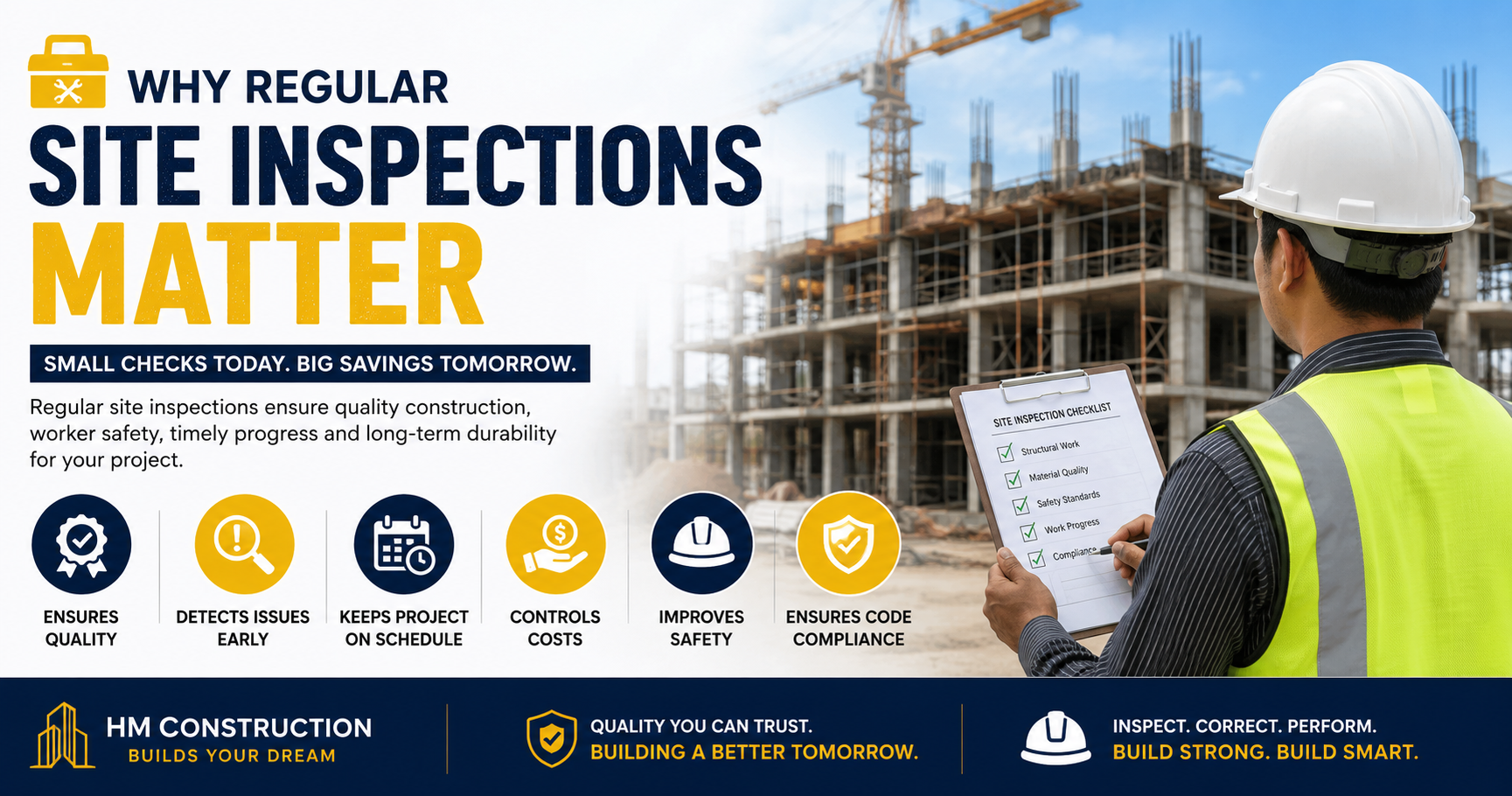
🧰 Why Regular Site Inspections Matter
🧰 Why Regular Site Inspections Matter Building Quality Starts with Consistent Supervision Construction is mor...
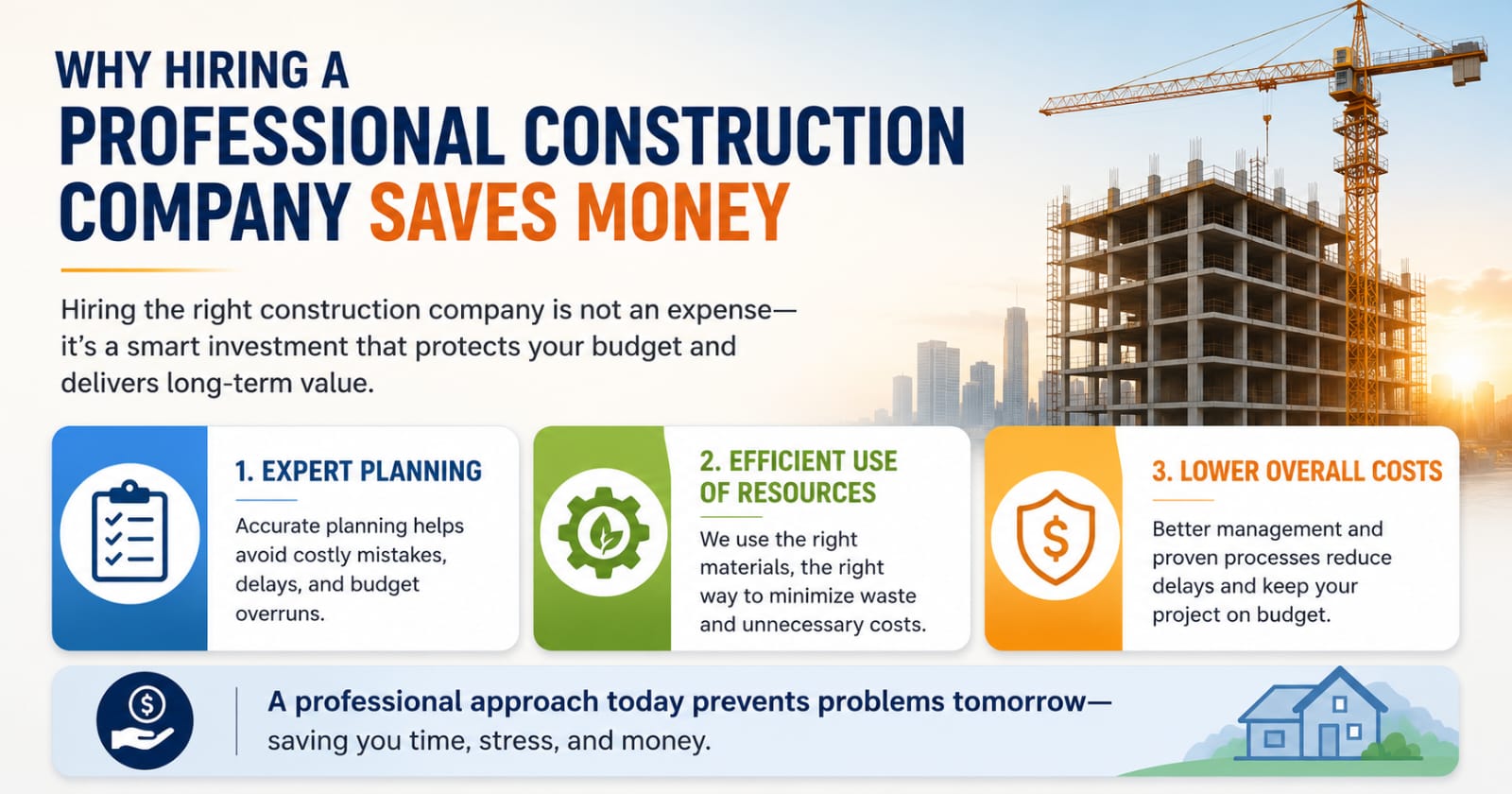
🧰 Why Hiring a Professional Construction Company Saves Money
🧰 Why Hiring a Professional Construction Company Saves Money Building a home or commercial property is one of...
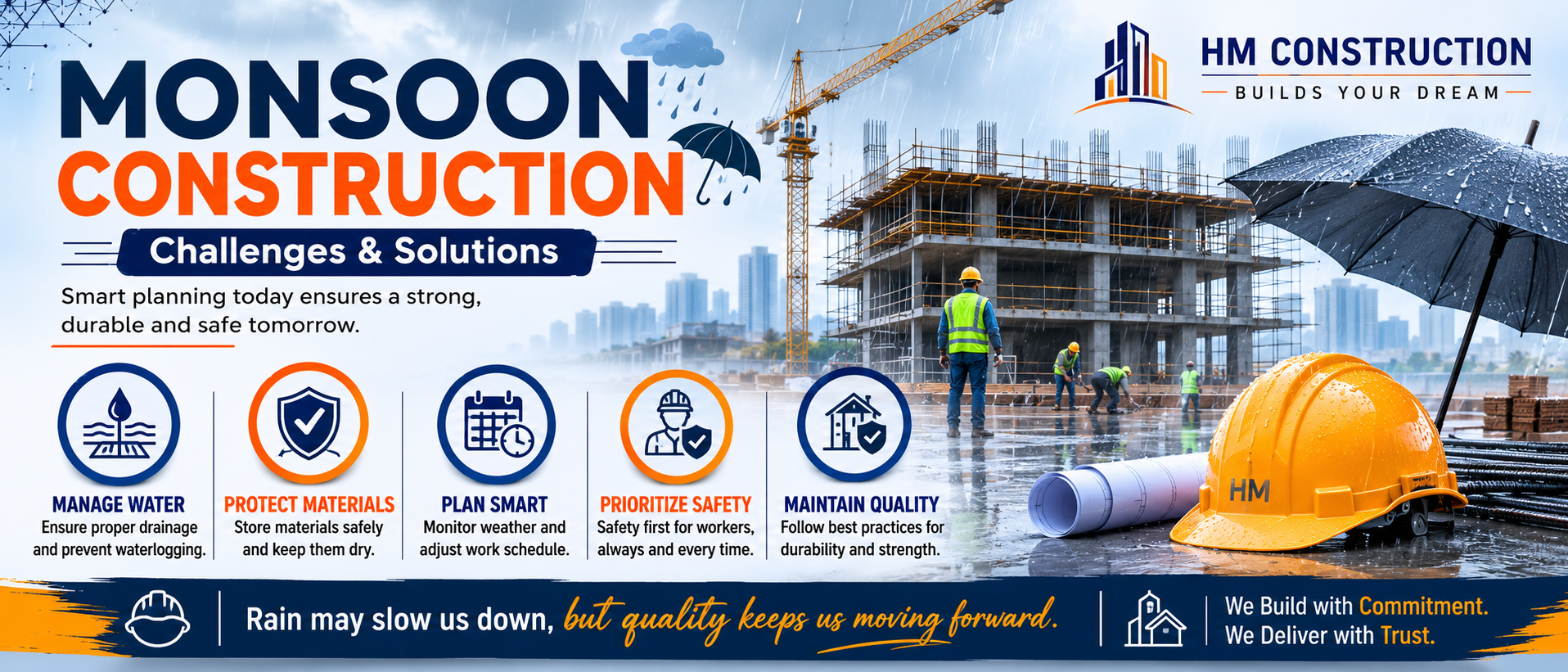
🌧️ Monsoon Construction: Challenges & Solutions
🌧️ Monsoon Construction: Challenges & Solutions Building Strong Even During the Rainy Season The monsoon ...