
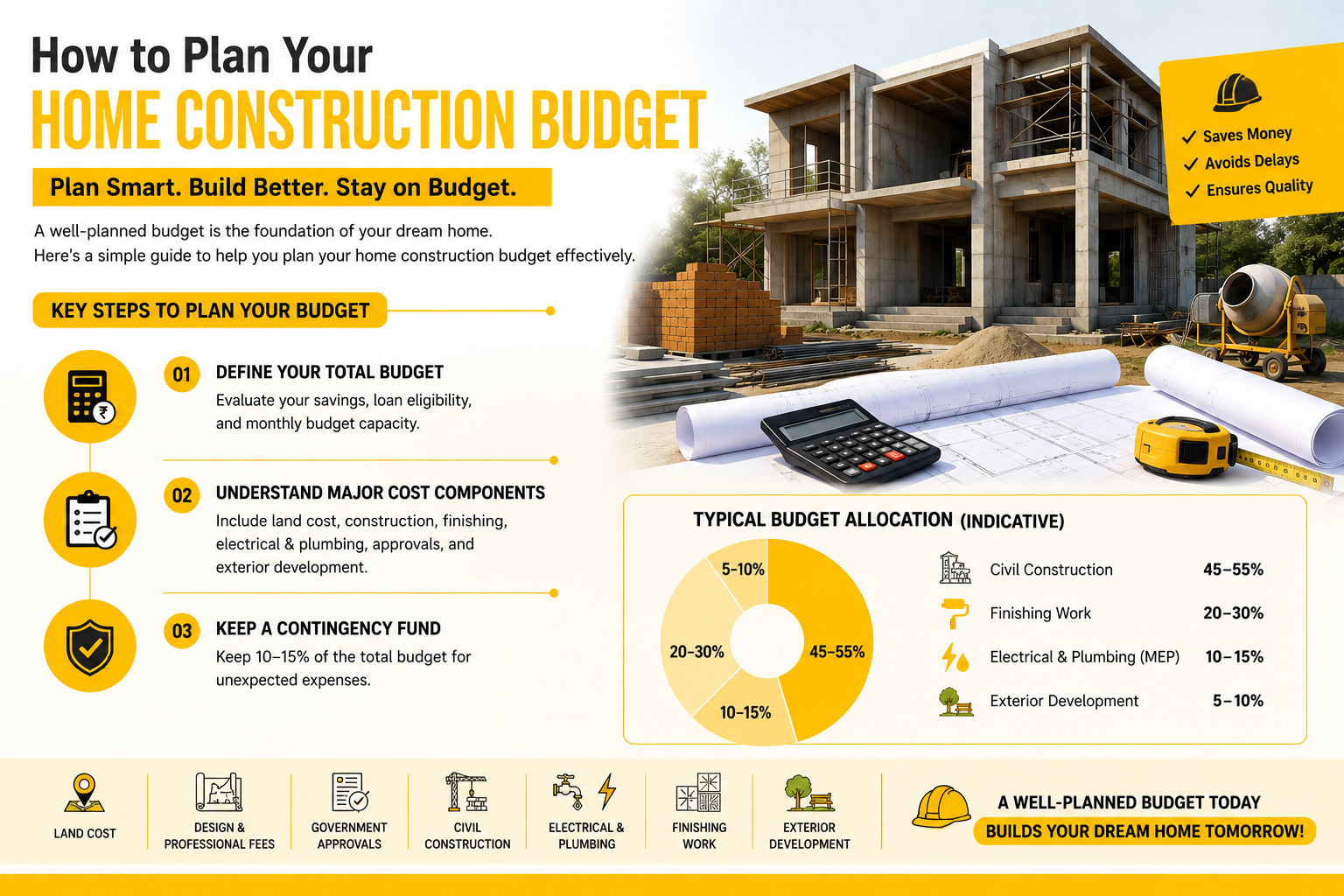
Building your dream home is one of the biggest financial investments you’ll ever make. While choosing the right design and location is important, effective budget planning is what ensures your project is completed on time, without compromising on quality or exceeding your financial limits.
Many homeowners start construction with only a rough estimate in mind. As the project progresses, unexpected expenses, design changes, rising material prices, and poor planning often lead to budget overruns. A well-planned construction budget helps you avoid these challenges and gives you complete control over your investment.
In this guide, we’ll walk you through the key steps to create a realistic home construction budget.
1. Define Your Total Budget
The first step is to determine how much you can comfortably invest in your home construction project. Your budget should include not only the construction cost but also land-related expenses, approvals, professional fees, and a contingency reserve.
Consider the following:
- Savings available for construction
- Home loan eligibility (if applicable)
- Monthly repayment capacity
- Future financial commitments
- Emergency funds
Avoid stretching your finances to the maximum. A realistic budget provides flexibility for unexpected costs.
2. Understand the Major Cost Components
A construction budget is made up of several categories. Breaking them down helps you understand where your money will be spent.
A. Land Cost
If you haven’t already purchased the land, include:
- Plot purchase price
- Stamp duty
- Registration charges
- Legal verification fees
- Brokerage (if applicable)
B. Design & Professional Fees
Professional planning ensures a structurally sound and legally compliant home.
Typical costs include:
- Architectural design
- Structural engineering
- Electrical drawings
- Plumbing drawings
- 3D elevation designs
- Interior consultation
- Site supervision
C. Government Approvals
Before construction begins, approvals and permits may be required depending on local regulations.
These may include:
- Building plan approval
- Development authority approvals
- Utility connections
- Completion and occupancy certificates
D. Civil Construction
This is the largest part of the budget and includes:
- Site preparation
- Excavation
- Foundation
- RCC framework
- Brickwork
- Roofing
- Staircase construction
- Boundary walls
E. Finishing Work
Finishing significantly impacts both aesthetics and budget.
Typical items include:
- Flooring
- Wall tiles
- Paint
- Doors and windows
- False ceiling
- Modular kitchen
- Bathroom fittings
- Wardrobes
-
Sample Budget Allocation (Illustrative)
Category Suggested Share of Total Budget Design & Professional Fees 5–8% Government Approvals 2–5% Civil Construction 45–55% Electrical & Plumbing 10–15% Finishing Work 20–30% Exterior Development 5–10% Contingency Fund 10–15% Percentages are indicative and can vary depending on location, design complexity, material choices, and project scope.
Common Budgeting Mistakes to Avoid
- Starting construction without a detailed budget
- Choosing contractors based only on the lowest quotation
- Ignoring hidden costs such as approvals and utility connections
- Not maintaining a contingency fund
- Making frequent design changes during construction
- Purchasing low-quality materials to reduce costs
- Failing to monitor project expenses regularly
Conclusion
A well-planned construction budget is the foundation of a successful home-building project. By understanding every cost component, selecting quality materials, monitoring expenses, and working with an experienced construction company, you can minimize financial surprises and build a home that meets your expectations.
Remember, the objective is not simply to build at the lowest cost—it is to create a safe, durable, and comfortable home that provides lasting value for you and your family.
Planning today can save significant time, money, and stress tomorrow.
Related Articles
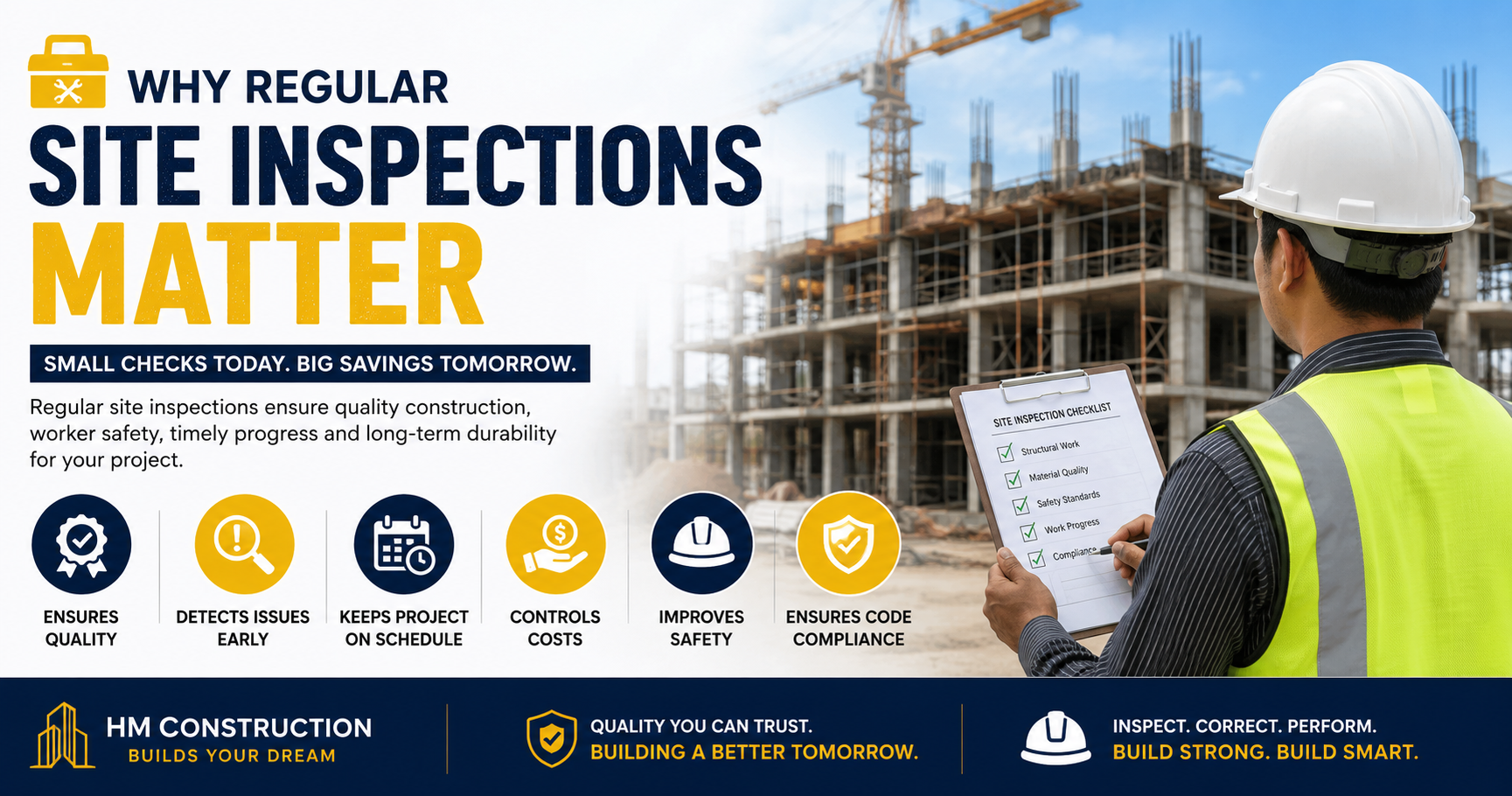
🧰 Why Regular Site Inspections Matter
🧰 Why Regular Site Inspections Matter Building Quality Starts with Consistent Supervision Construction is mor...
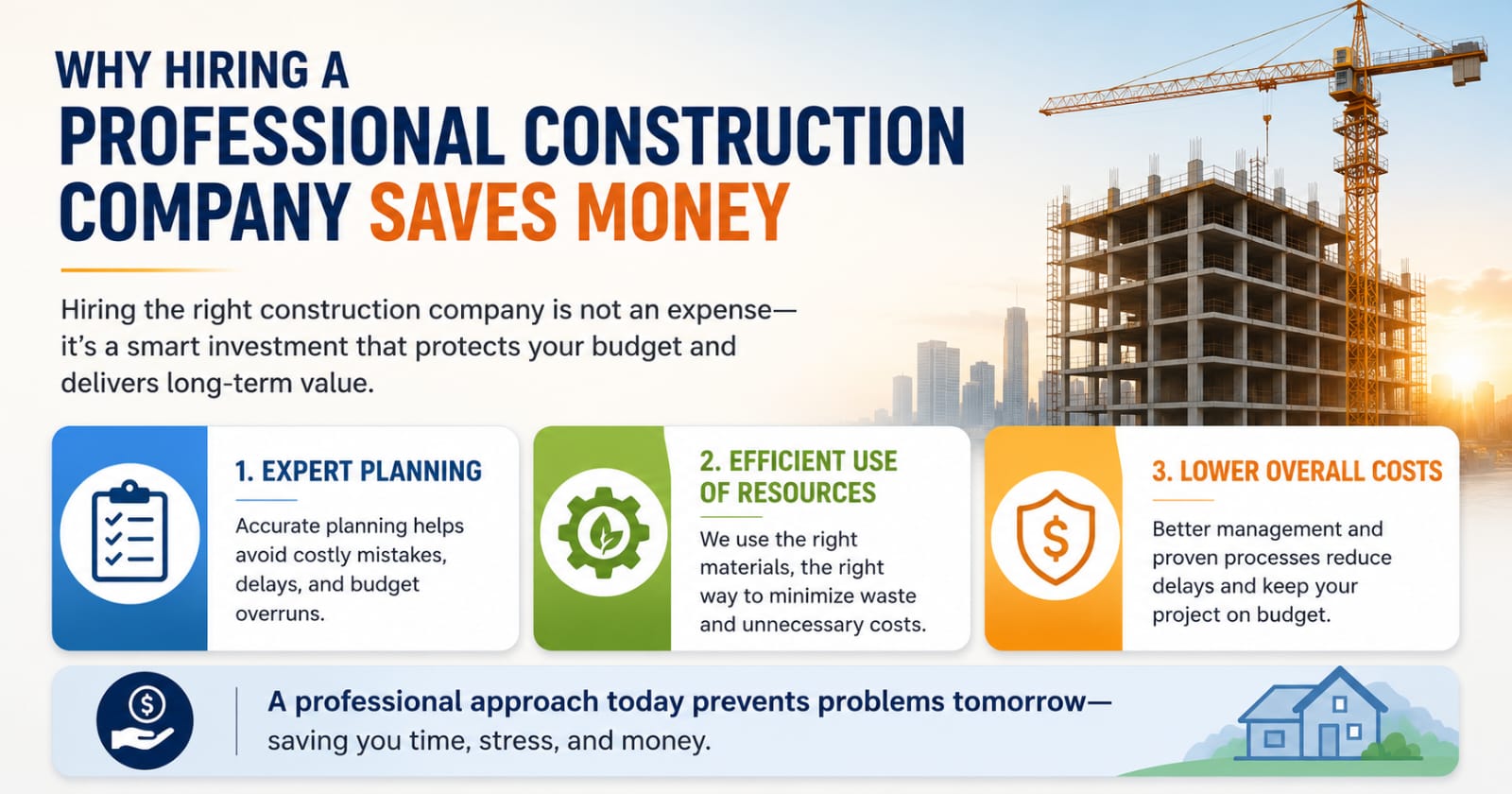
🧰 Why Hiring a Professional Construction Company Saves Money
🧰 Why Hiring a Professional Construction Company Saves Money Building a home or commercial property is one of...
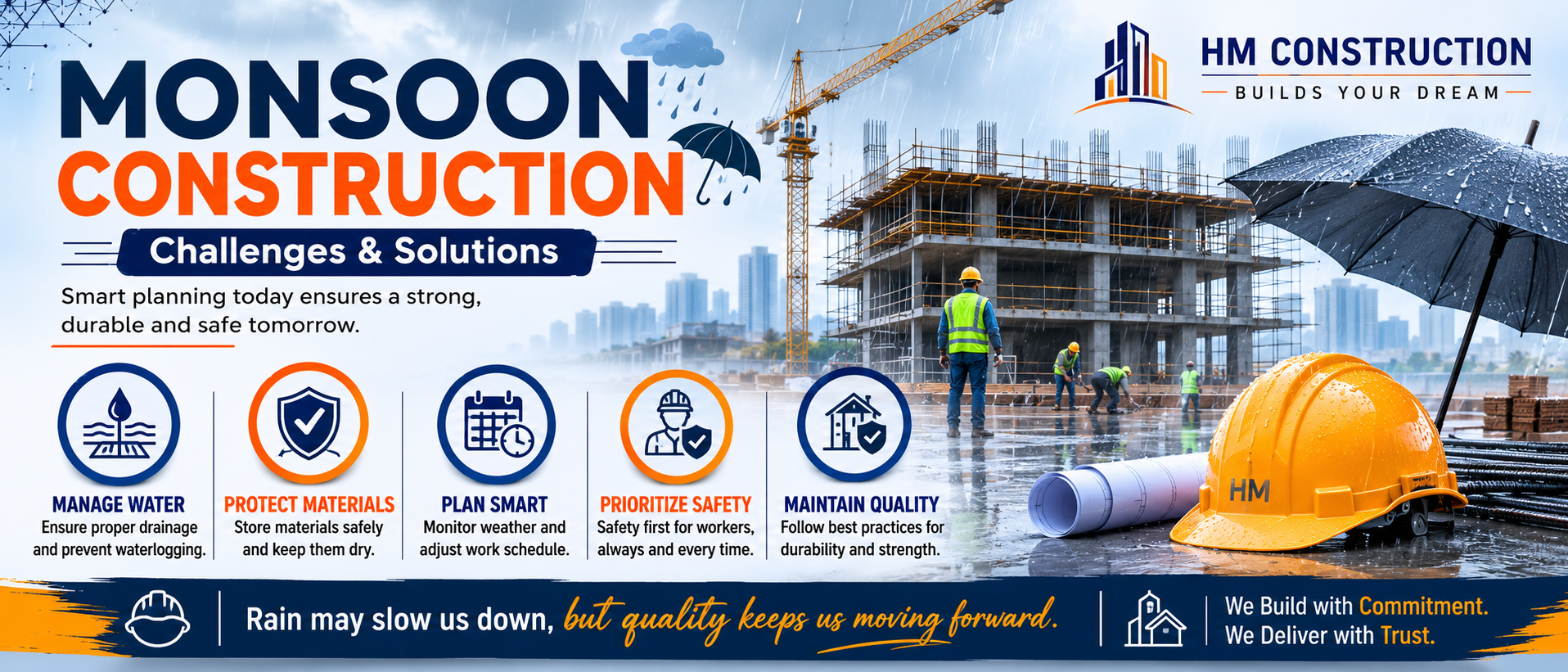
🌧️ Monsoon Construction: Challenges & Solutions
🌧️ Monsoon Construction: Challenges & Solutions Building Strong Even During the Rainy Season The monsoon ...