
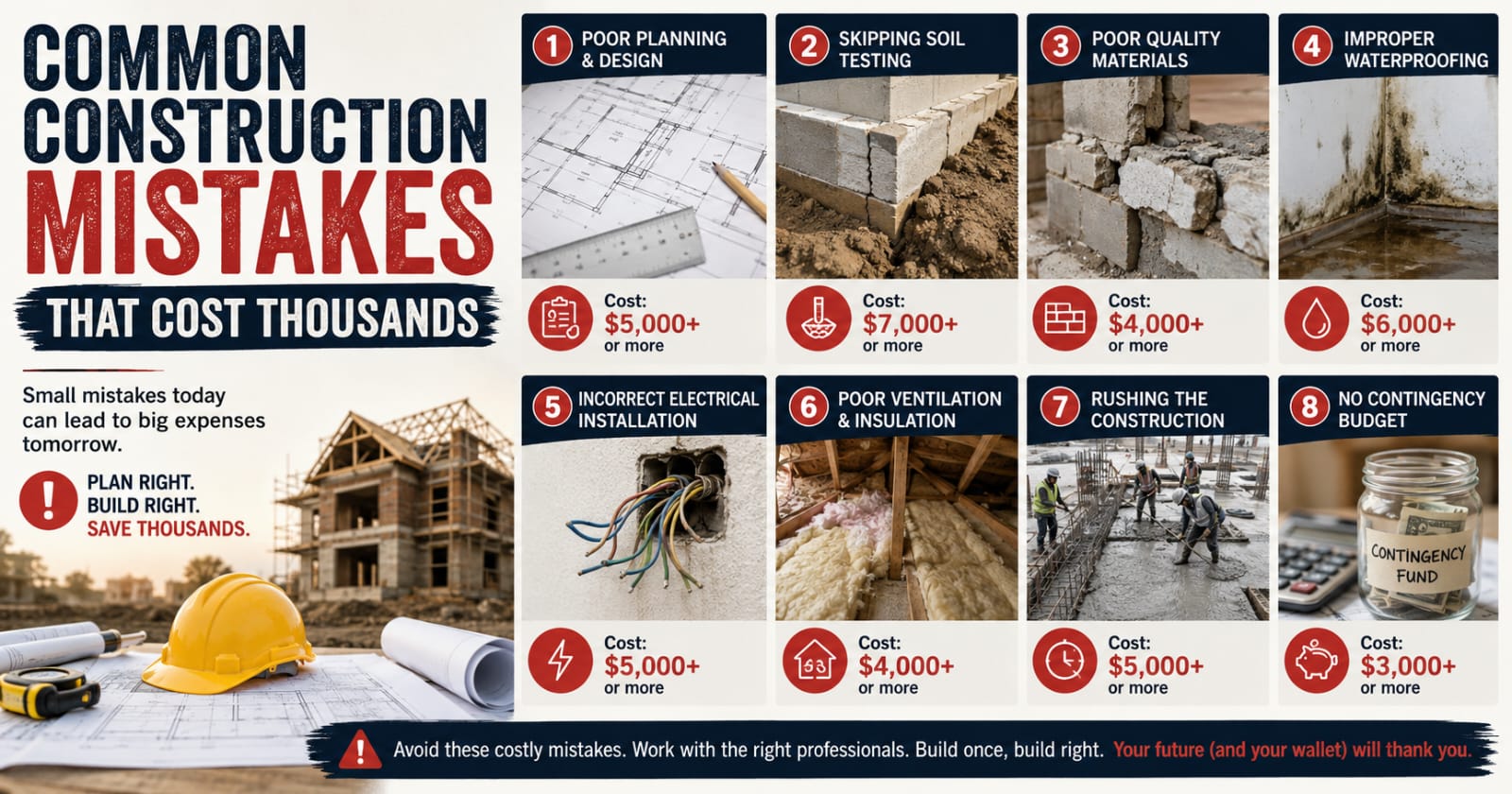
Common Construction Mistakes That Cost Thousands: How to Avoid Expensive Errors
Introduction
Building a home, office, or commercial property is one of the biggest financial investments a person or business can make. While everyone focuses on design, aesthetics, and budget, many costly mistakes happen during the construction process itself. These errors often remain hidden until months or even years after project completion, leading to expensive repairs, project delays, and safety concerns.
The good news is that most construction mistakes are completely avoidable with proper planning, quality materials, experienced professionals, and regular site supervision. Understanding these common pitfalls can help property owners make informed decisions and protect their investment for years to come.
1. Skipping Soil Testing Before Construction
Many projects begin without a proper geotechnical soil investigation to save time or money. However, different soil types have different load-bearing capacities. Constructing a building without understanding the soil conditions can result in uneven settlement, foundation cracks, water seepage, or even structural failure.
Why it matters:
- Ensures the correct foundation design.
- Prevents uneven settlement.
- Reduces future structural risks.
- Saves significant repair costs.
Expert Tip: Investing in soil testing before construction is far less expensive than repairing foundation damage later.
2. Choosing the Lowest Bid Instead of the Best Value
Selecting a contractor solely because they offer the lowest price can often lead to compromised workmanship, poor-quality materials, and unexpected costs during the project.
Potential consequences:
- Inferior construction quality.
- Frequent repair work.
- Delayed project completion.
- Hidden charges after work begins.
Remember: The lowest quotation isn’t always the most economical in the long run.
3. Poor Construction Planning
Construction projects require detailed planning before the first brick is laid. Inadequate planning often results in design changes, wasted materials, scheduling conflicts, and budget overruns.
Good planning includes:
- Material scheduling.
- Labour management.
- Equipment allocation.
- Risk assessment.
- Timeline preparation.
Proper planning keeps the project on schedule and minimizes unnecessary expenses.
4. Using Low-Quality Construction Materials
Attempting to reduce costs by purchasing cheaper materials may initially appear beneficial but often leads to higher maintenance expenses and reduced structural durability.
Critical materials include:
- Cement
- Reinforcement steel
- Bricks or AAC blocks
- Sand and aggregates
- Waterproofing chemicals
- Electrical cables
- Plumbing pipes
High-quality materials ensure long-term performance and reduce maintenance requirements.
5. Ignoring Waterproofing
Waterproofing is one of the most neglected aspects of construction. Water leakage not only damages finishes but also weakens structural elements over time.
Areas requiring waterproofing include:
- Roof terraces
- Bathrooms
- Balconies
- Basements
- Water tanks
- External walls
Proper waterproofing prevents:
- Damp walls
- Mold growth
- Paint peeling
- Corrosion of reinforcement steel
6. Poor Concrete Curing
Concrete continues to gain strength after it is poured. Without proper curing, the concrete cannot achieve its intended strength and durability.
Insufficient curing can cause:
- Surface cracks
- Reduced load capacity
- Dusting floors
- Shorter structural lifespan
Maintaining adequate moisture for the recommended curing period significantly improves concrete performance.
7. Inadequate Site Supervision
Even the best designs can fail without effective supervision. Regular monitoring ensures that construction follows approved drawings, quality standards, and safety practices.
Site supervision helps:
- Detect mistakes early.
- Maintain workmanship quality.
- Prevent material wastage.
- Improve labour productivity.
- Ensure safety compliance.
8. Poor Electrical and Plumbing Planning
Electrical and plumbing systems should be planned before construction begins. Last-minute changes often require breaking walls or floors, increasing both costs and project delays.
Proper planning includes:
- Sufficient electrical outlets.
- Future appliance requirements.
- Water supply layout.
- Drainage design.
- Internet and smart-home wiring.
Planning today avoids expensive modifications tomorrow.
9. Ignoring Expansion and Future Needs
Buildings should be designed with future requirements in mind. Families grow, businesses expand, and technology evolves.
Consider planning for:
- Additional floors.
- Solar panel installation.
- Electric vehicle charging.
- Water harvesting systems.
- Home automation.
- Additional storage.
Designing with future expansion in mind saves considerable reconstruction costs.
10. Lack of Quality Control and Testing
Construction materials and workmanship should be tested regularly rather than assumed to meet specifications.
Important quality checks include:
- Concrete cube tests.
- Slump tests.
- Steel quality verification.
- Brick strength testing.
- Water quality testing.
- Dimensional inspections.
Routine inspections ensure issues are identified before they become expensive problems.
Unique Construction Tips That Many Property Owners Overlook
Use a Material Tracking System
Recording material deliveries and daily consumption helps prevent theft, shortages, and unnecessary wastage.
Never Skip Mock-Ups
Create sample sections for flooring, paint, tiles, or façade work before full-scale installation to confirm quality and appearance.
Document Every Construction Stage
Take photographs at every phase, especially before walls are closed. These records simplify future maintenance and renovations.
Allocate a Contingency Budget
Reserve 10–15% of your total budget for unforeseen expenses such as design modifications, material price fluctuations, or weather-related delays.
Verify Material Certifications
Request test certificates or quality certifications for cement, steel, and other critical materials to ensure compliance with industry standards.
Prioritize Ventilation and Natural Lighting
Good ventilation and daylight reduce energy consumption, improve indoor comfort, and enhance the overall value of the property.
Conduct a Pre-Handover Inspection
Before accepting the completed project, thoroughly inspect:
- Doors and windows
- Plumbing fixtures
- Electrical systems
- Flooring
- Paint finishes
- Waterproofing
- Drainage
- Safety features
Addressing deficiencies before handover is much easier than after occupancy.
Final Thoughts
Construction mistakes rarely happen because of one major error—they are usually the result of small oversights that accumulate throughout the project. Skipping soil testing, compromising on materials, neglecting waterproofing, or failing to supervise the site can transform a well-planned project into an expensive repair challenge.
A successful construction project is built on careful planning, quality workmanship, reliable materials, and consistent quality control. By making informed decisions at every stage, property owners can avoid unnecessary costs, extend the life of their buildings, and ensure a safe, durable, and valuable investment for generations to come.
Building right the first time is always more affordable than rebuilding later.
Related Articles
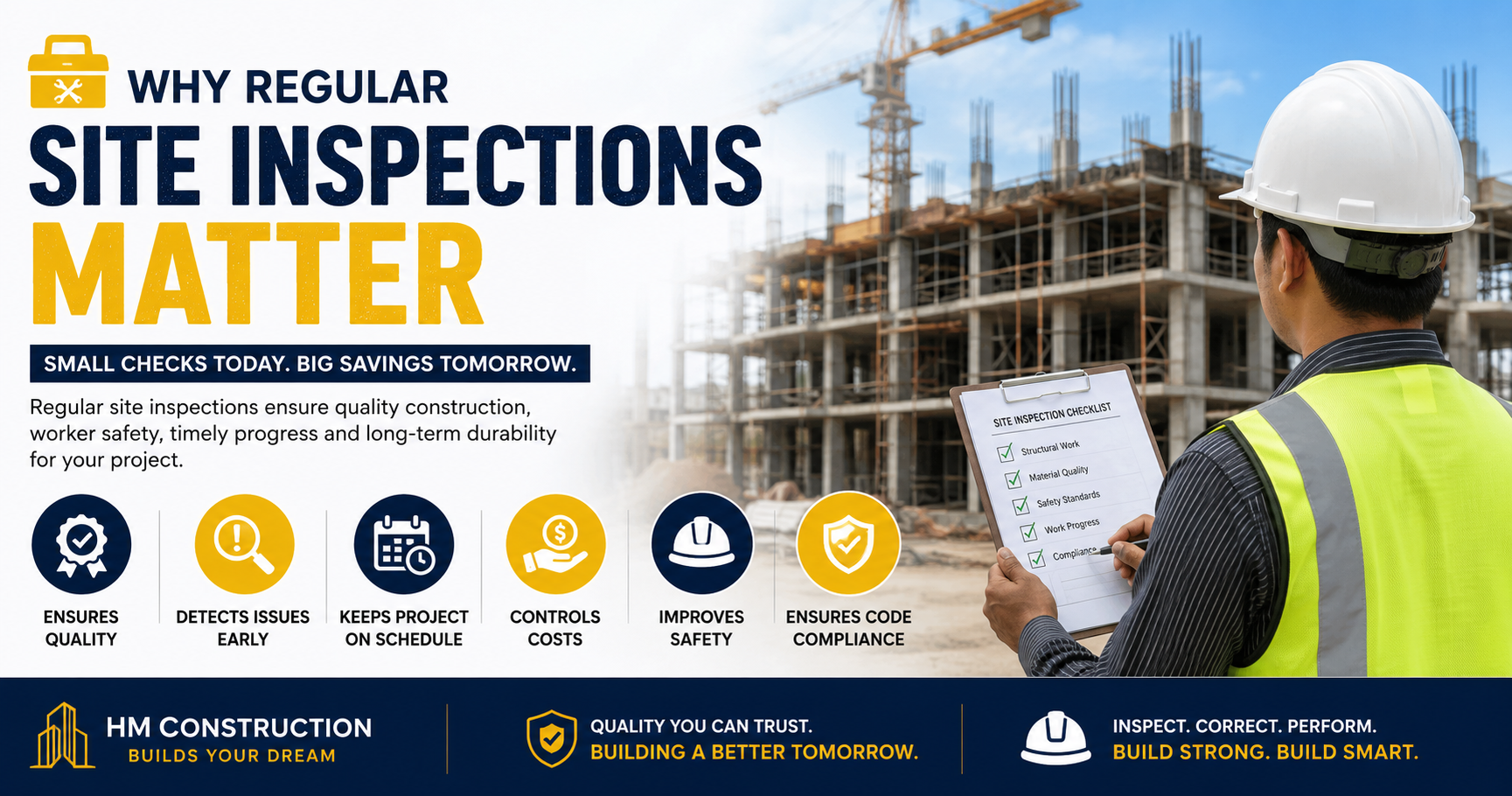
🧰 Why Regular Site Inspections Matter
🧰 Why Regular Site Inspections Matter Building Quality Starts with Consistent Supervision Construction is mor...
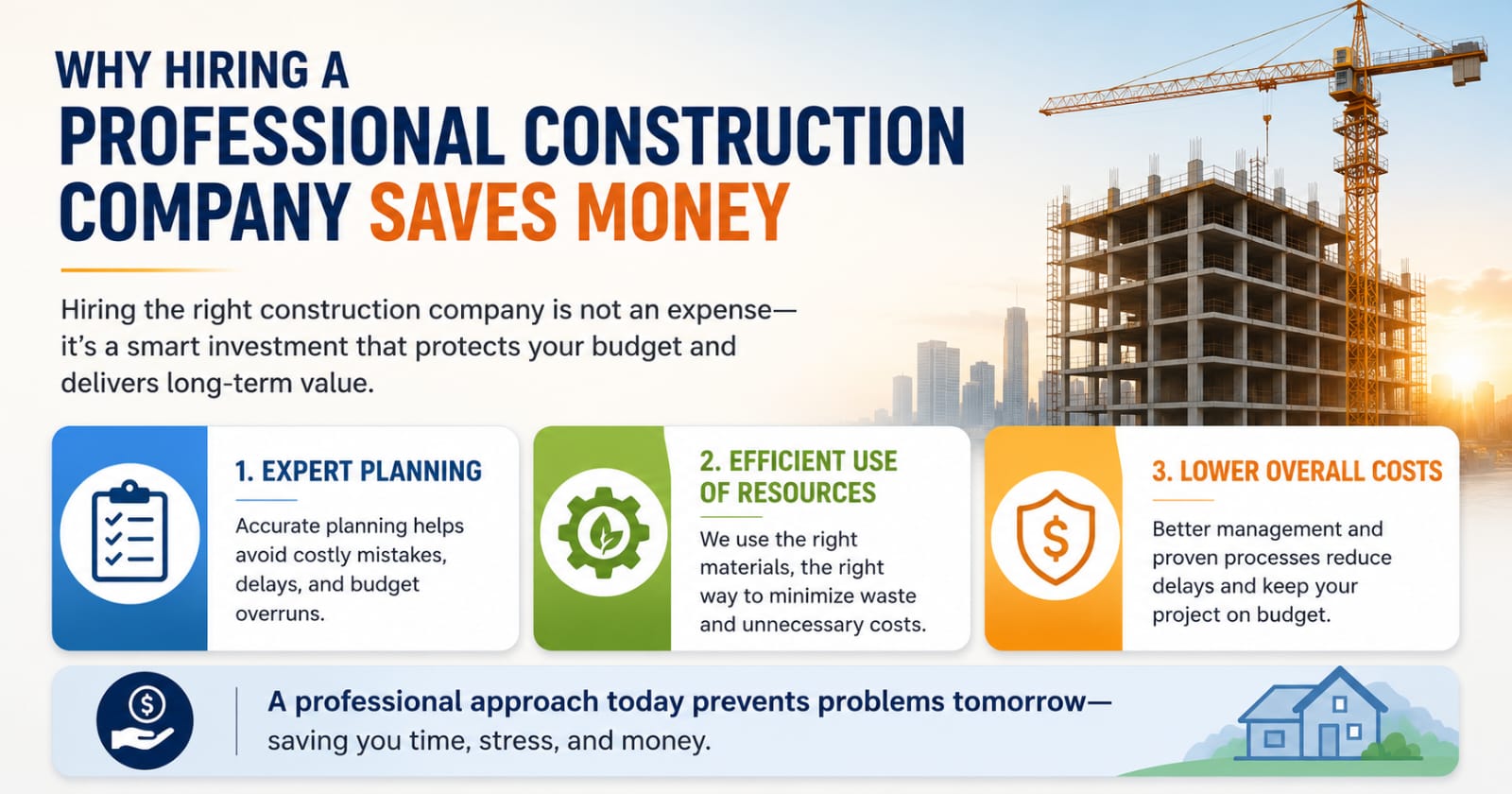
🧰 Why Hiring a Professional Construction Company Saves Money
🧰 Why Hiring a Professional Construction Company Saves Money Building a home or commercial property is one of...
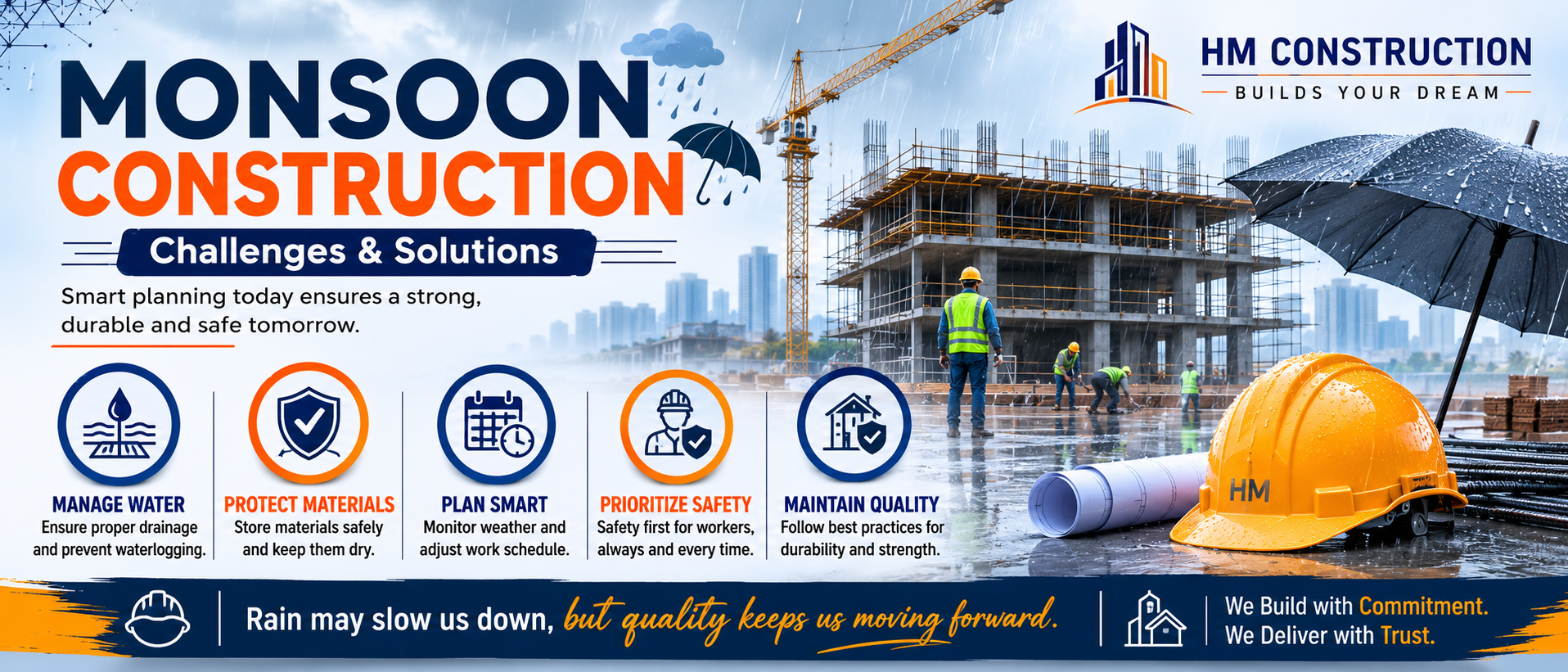
🌧️ Monsoon Construction: Challenges & Solutions
🌧️ Monsoon Construction: Challenges & Solutions Building Strong Even During the Rainy Season The monsoon ...