
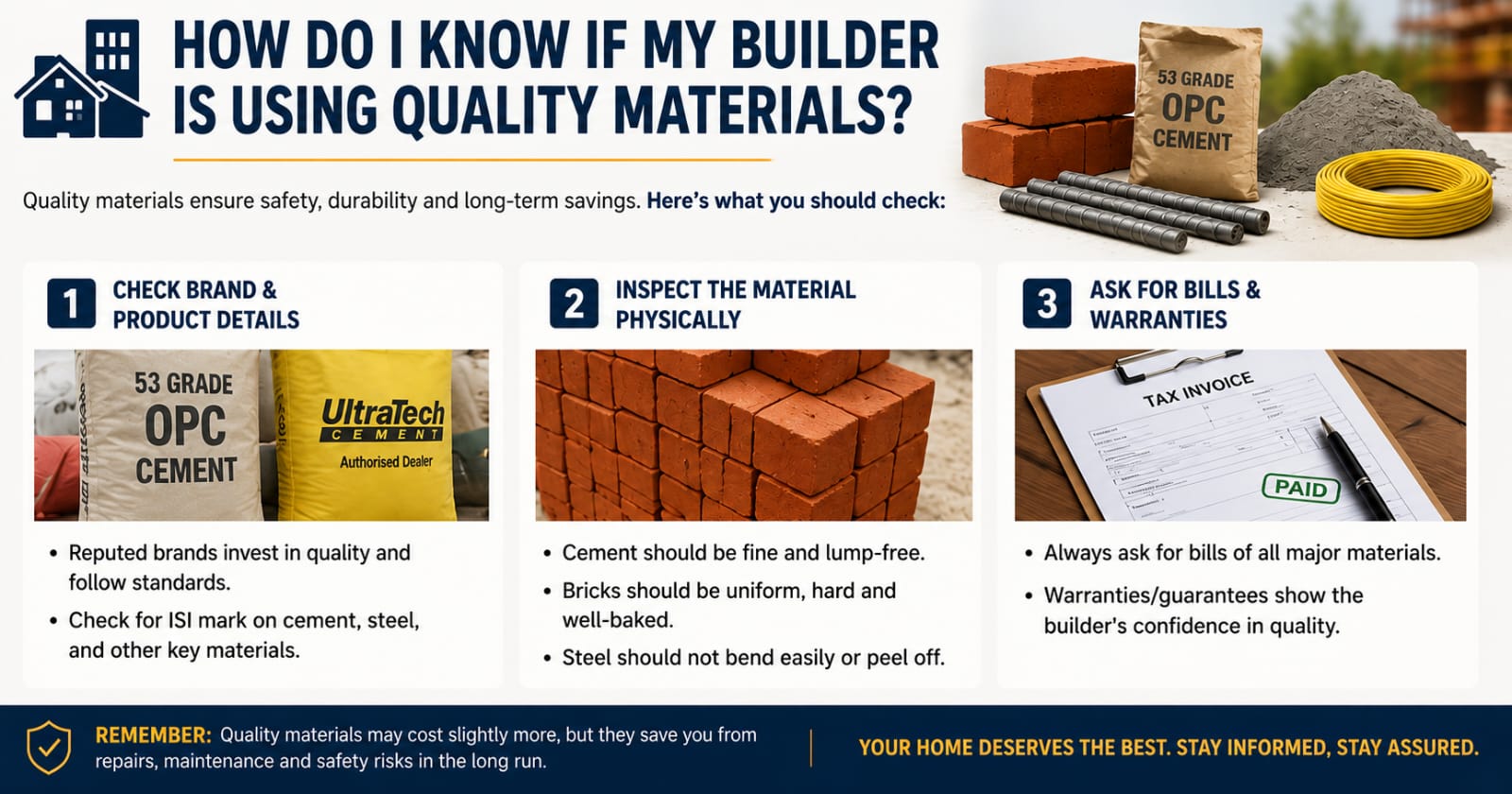
Building a home or commercial property is one of the biggest investments you’ll ever make. While the final finish may look impressive, the true quality of a building lies in the materials used behind the walls, under the flooring, and within the structure. Unfortunately, many property owners lack the technical knowledge to verify material quality, making it easy for unscrupulous contractors to cut corners.
If you want your property to remain safe, durable, and low-maintenance for decades, knowing how to verify construction materials is essential.
5 Ways to Ensure Your Builder Is Using Quality Materials
1. Ask for Branded Materials
A trustworthy builder should clearly specify the brands being used for major construction materials.
These include:
- Cement
- TMT Steel
- Electrical wires
- Plumbing pipes
- Waterproofing chemicals
- Paint
- Tiles
- Door and window hardware
Reliable brands generally maintain stricter manufacturing standards and consistent product quality.
Client Tip:
Request the material specification sheet before construction begins.
2. Request Material Invoices
One of the simplest ways to verify material quality is by asking for purchase invoices.
Invoices help confirm:
- Brand name
- Quantity purchased
- Grade or specification
- Purchase date
- Supplier details
This improves transparency and reduces the possibility of material substitution.
3. Visit the Site Regularly
Frequent site visits allow you to monitor the construction process and identify issues early.
During your visit, observe:
- Cement bags
- Steel bundles
- Brick quality
- Sand and aggregate storage
- Waterproofing products
- Tile cartons
- Electrical and plumbing materials
Well-organized sites often reflect disciplined project management.
4. Verify Cement Quality
Cement is one of the most important components of any structure.
Check for:
- Fresh manufacturing date
- Proper storage in a dry area
- No hardened lumps
- Sealed packaging
- Standard certification markings
Old or moisture-damaged cement loses strength and affects concrete performance.
5. Inspect Steel Reinforcement
Steel reinforcement provides structural strength.
Ensure that:
- Steel is free from excessive rust
- Correct bar diameter is used
- Branded TMT bars are supplied
- Bars are stored above ground level
- Proper spacing is maintained during reinforcement work
Inferior steel can compromise the building’s structural integrity.
Questions Every Client Should Ask Before Construction Begins
Before signing a contract, ask your builder:
- Which brands of cement, steel, plumbing, and electrical materials will be used?
- Can I review the material specifications before work starts?
- Will you share supplier invoices if requested?
- How do you ensure quality at every construction stage?
- What waterproofing system will be used?
- Who supervises material quality on-site?
- Are quality inspections conducted throughout the project?
Clear answers to these questions help establish trust and set expectations.
Why Choosing the Right Builder Matters
The best builder doesn’t just construct walls—they build confidence through transparency, skilled workmanship, and a commitment to quality. A professional contractor welcomes client involvement, communicates openly, and follows established construction standards instead of taking shortcuts.
Final Thoughts
A beautifully finished building can hide poor-quality materials, but the consequences often appear months or years later through cracks, leaks, corrosion, and expensive repairs. By asking the right questions, verifying materials, and partnering with a reputable construction company, you can protect your investment and ensure your property stands the test of time.
Related Articles
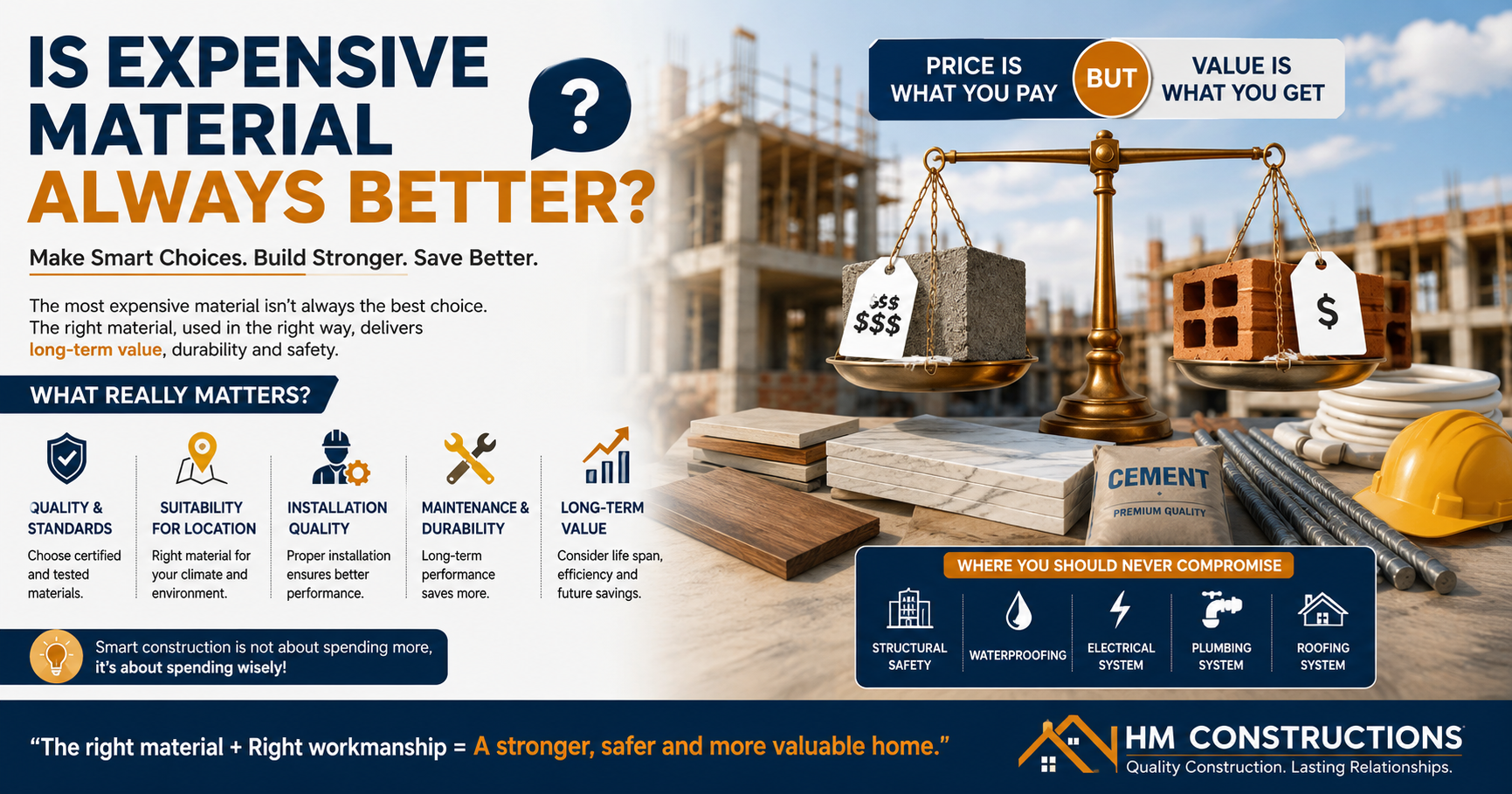
💰 Is Expensive Material Always Better? The Truth Every Homeowner Should Know
💰 Is Expensive Material Always Better? The Truth Every Homeowner Should Know When planning a home or commerci...
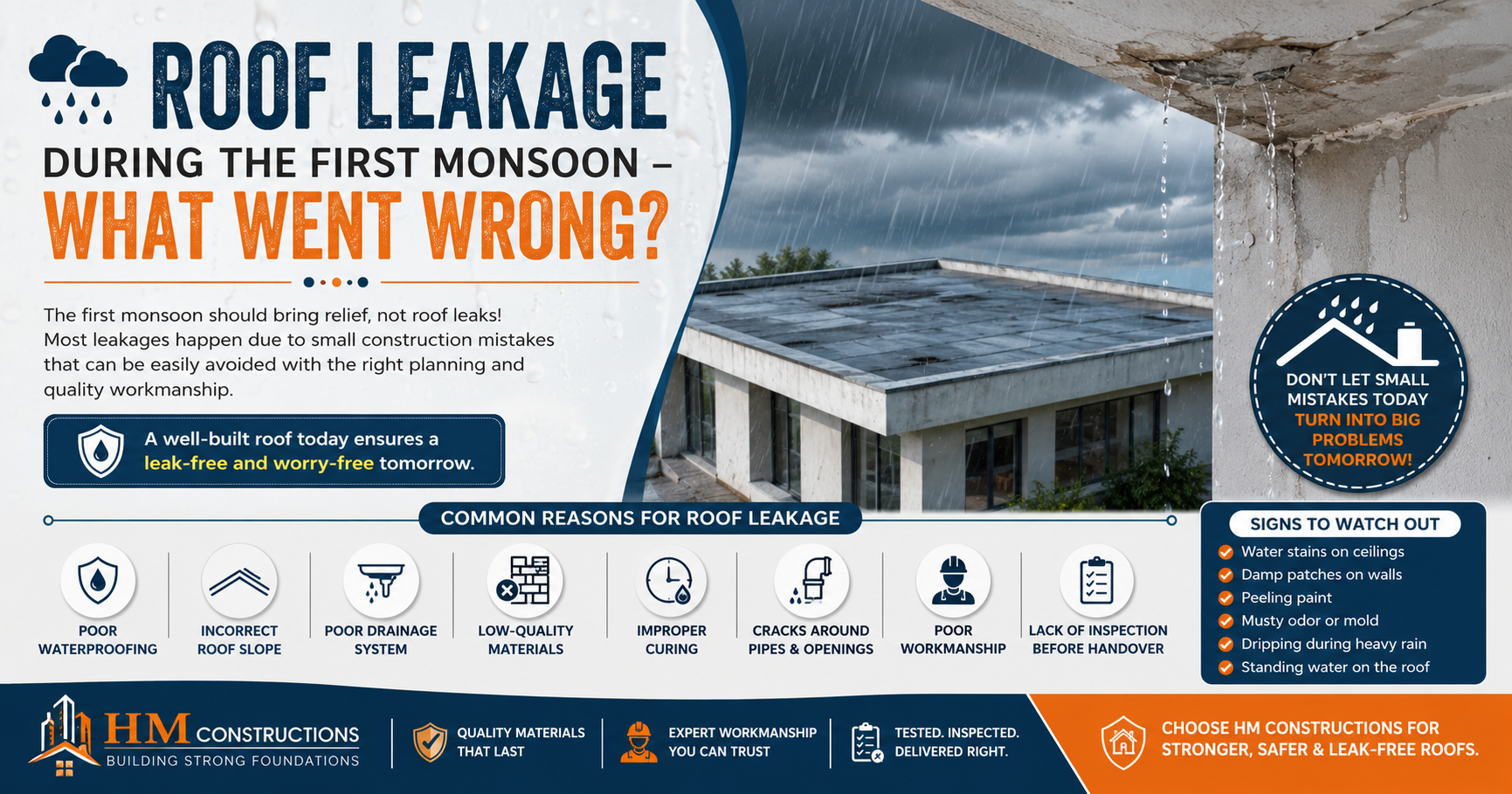
🌧️ Roof Leakage During the First Monsoon – What Went Wrong?
🌧️ Roof Leakage During the First Monsoon – What Went Wrong? The first monsoon after moving into a new home sh...
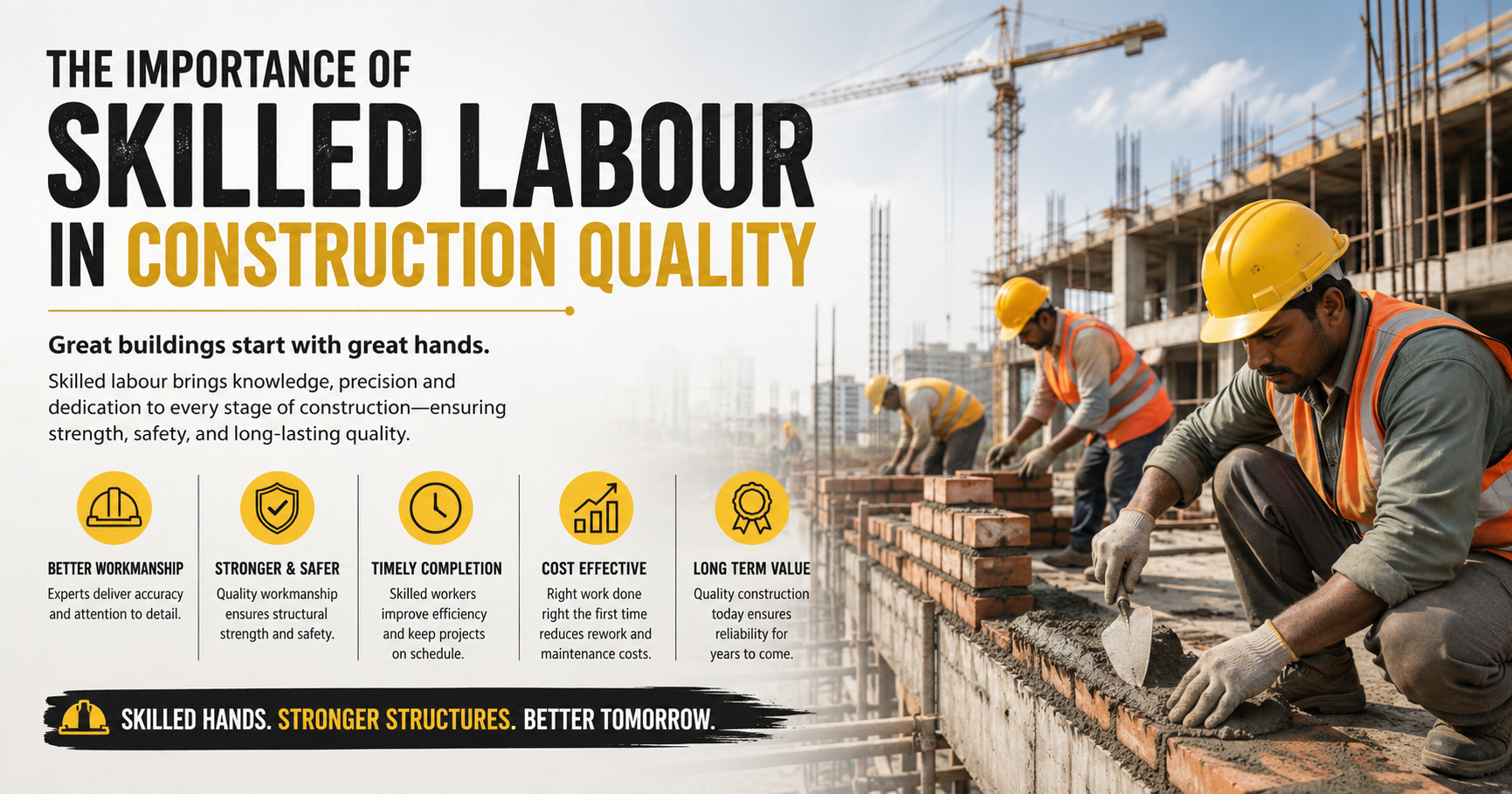
🧑🔧 The Importanceof Skilled Labour in Construction Quality
🧑🔧 The Importance of Skilled Labour in Construction Quality A building is only as strong as the people who ...