
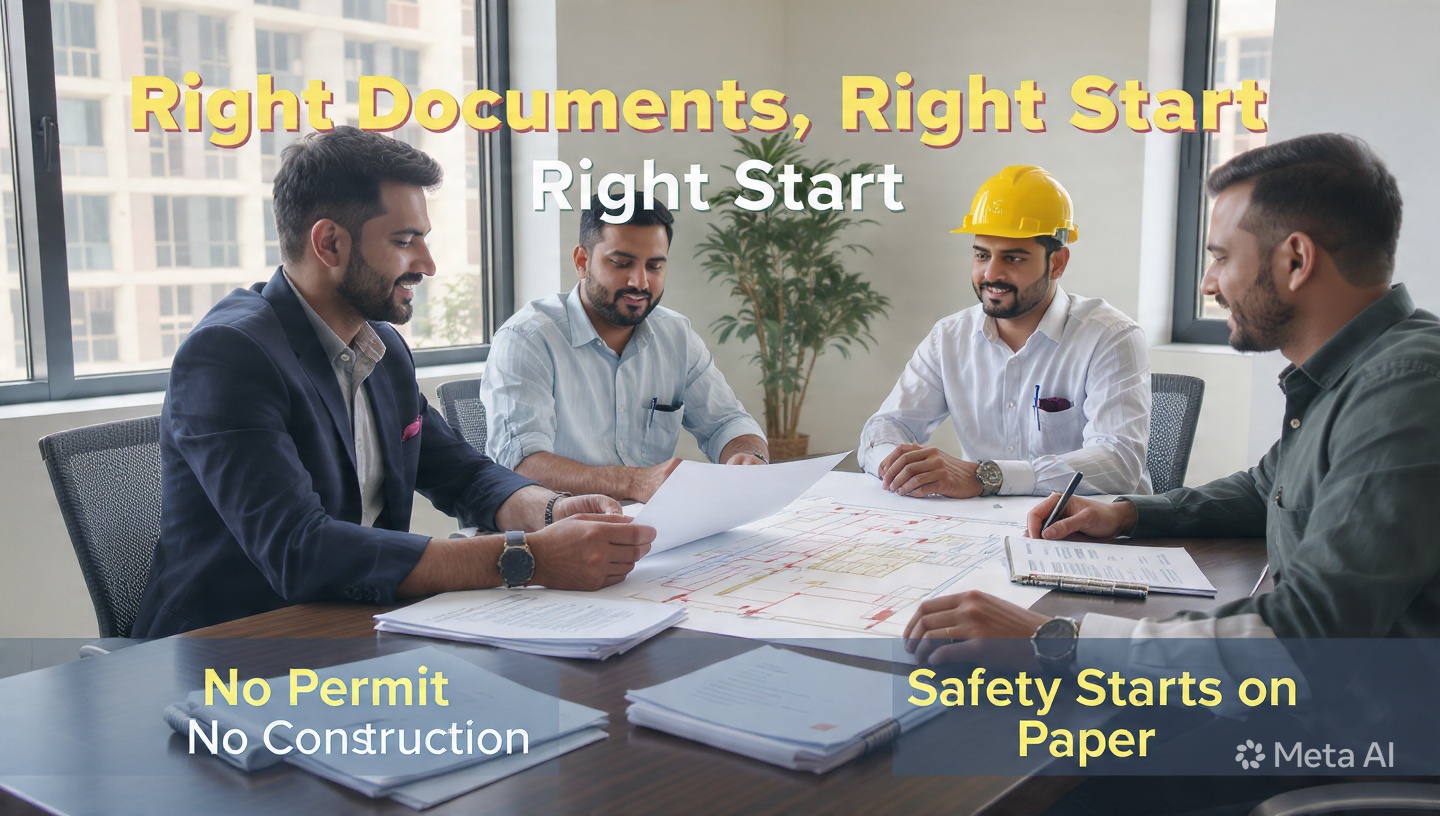
📋 Essential Documents Before Construction Starts: A Complete Checklist for Every Property Owner
Starting a construction project without the proper documentation can lead to legal complications, project delays, unexpected expenses, and even work stoppages. Whether you’re building a home, office, commercial space, or industrial facility, having the right documents in place ensures that your project proceeds smoothly, safely, and in compliance with regulations.
Before the first excavation begins, every property owner should verify that all essential approvals, drawings, and agreements are ready. Proper documentation not only protects your investment but also provides clarity for everyone involved in the project.
Why Are Construction Documents Important?
Construction documents act as the foundation of a successful project. They help:
- Ensure legal compliance
- Avoid project delays
- Reduce disputes between owners and contractors
- Improve budget control
- Maintain construction quality
- Simplify inspections and approvals
- Protect your investment throughout the project
1. Property Ownership Documents
The first and most important requirement is proof of ownership of the land where construction will take place.
Common Documents
- Sale Deed
- Title Deed
- Property Registration Documents
- Mutation Records
- Land Tax Receipts
Why It Matters
These documents confirm legal ownership and help prevent disputes related to land rights before construction begins.
2. Approved Building Plan
A building plan prepared by a qualified architect and approved by the local development authority ensures that the proposed structure complies with applicable building regulations.
The Plan Includes
- Floor plans
- Elevation drawings
- Section drawings
- Plot layout
- Setback details
- Parking layout
- Open space planning
Benefits
- Prevents unauthorized construction
- Ensures regulatory compliance
- Simplifies inspection and approval processes
3. Soil Test Report
Every construction site has different soil conditions. A soil investigation helps engineers design the most suitable foundation for the building.
The Report Covers
- Soil bearing capacity
- Groundwater level
- Soil composition
- Foundation recommendations
- Site stability
Why It’s Important
A proper soil test minimizes the risk of settlement, structural cracks, and costly foundation failures.
4. Structural Drawings
Structural drawings are prepared by a structural engineer and provide detailed instructions for building a safe and durable structure.
They Include
- Foundation design
- Column placement
- Beam layouts
- Slab details
- Reinforcement (steel) details
- Load calculations
Benefits
- Improved structural safety
- Efficient use of construction materials
- Better earthquake and wind resistance
5. Construction Agreement
A written agreement between the property owner and the contractor defines the scope of work and helps avoid misunderstandings.
Important Clauses
- Project scope
- Total cost
- Payment schedule
- Construction timeline
- Material specifications
- Warranty terms
- Delay penalties
- Responsibilities of each party
Benefits
- Clear expectations
- Better financial control
- Reduced legal disputes
6. Cost Estimate and Budget Plan
A detailed budget provides a realistic understanding of project costs before construction begins.
It Should Include
- Material costs
- Labour charges
- Equipment rental
- Transportation
- Finishing costs
- Interior work
- Utility connections
- Contingency fund (typically 10–15%)
Benefits
- Prevents budget overruns
- Enables better financial planning
- Helps track expenses throughout the project
7. Material Specifications
A material specification document outlines the quality, grade, and standards for all materials used in the project.
Examples
- Cement grade
- Steel grade
- Brick or block type
- Sand quality
- Aggregate size
- Tile specifications
- Paint brand and finish
- Plumbing and electrical materials
Benefits
- Consistent construction quality
- Reduced risk of substandard materials
- Easier quality inspections
8. Construction Schedule
A project schedule helps everyone understand the timeline for each phase of construction.
Typical Stages
- Site preparation
- Excavation
- Foundation work
- Structural framework
- Brickwork
- Roofing
- Plumbing and electrical work
- Plastering
- Flooring
- Painting
- Final inspection
- Project handover
Benefits
- Keeps the project on track
- Improves coordination among teams
- Reduces unnecessary delays
9. Utility and Service Approvals
Before construction starts, ensure that necessary utility connections and permissions are arranged according to local requirements.
These may include:
- Water connection approval
- Electricity connection
- Drainage and sewer connection
- Fire safety approval (where applicable)
- Environmental clearance (for certain projects)
- Temporary construction utilities
Benefits
- Prevents interruptions during construction
- Ensures compliance with local regulations
- Supports timely project completion
10. Insurance and Safety Documentation
Construction sites involve risks, making insurance and safety planning essential.
Recommended Documents
- Contractor’s insurance
- Worker’s compensation (where applicable)
- Site safety plan
- Emergency contact information
- Equipment inspection records
Benefits
- Protects workers and property
- Reduces financial risks
- Promotes a safer working environment
Bonus Checklist Before Construction Begins
✅ Verify land ownership documents
✅ Obtain approved building plans
✅ Complete soil testing
✅ Review structural drawings
✅ Sign a detailed construction agreement
✅ Finalize the project budget
✅ Approve material specifications
✅ Prepare the construction schedule
✅ Arrange required utility approvals
✅ Implement safety and insurance measures
Common Mistakes to Avoid
❌ Starting work before obtaining approvals
❌ Ignoring soil investigation reports
❌ Relying on verbal agreements with contractors
❌ Choosing low-quality materials to reduce costs
❌ Underestimating the project budget
❌ Making frequent design changes during construction
❌ Failing to maintain proper documentation
Final Thoughts
Construction is one of the most significant investments you’ll make, and careful preparation is the key to success. Having the right documents before work begins reduces legal risks, prevents costly delays, and ensures the project is completed safely, efficiently, and to the expected quality standards.
A well-documented project creates confidence for property owners, contractors, architects, and engineers alike—laying the groundwork for a smooth construction journey from the first excavation to the final handover.
Conclusion
Great buildings don’t begin with concrete—they begin with planning and proper documentation. By organizing essential approvals, technical drawings, contracts, budgets, and safety plans before construction starts, you set your project up for long-term success. Remember, strong documentation is just as important as a strong foundation, because every successful construction project starts with the right paperwork.
Related Articles
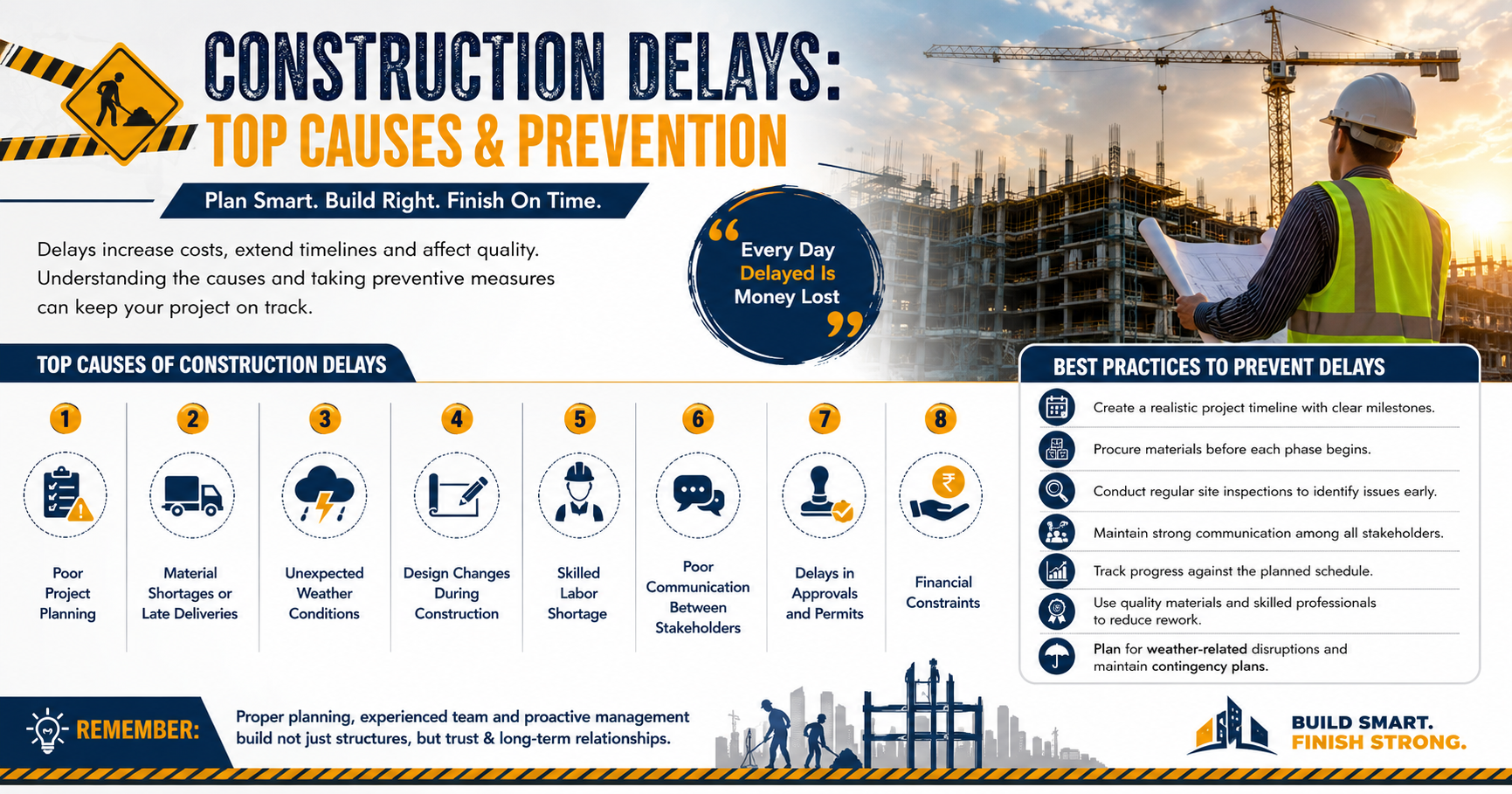
🚧 Construction Delays: Top Causes and Prevention
🚧 Construction Delays: Top Causes and Prevention Every Day Delayed Is Money Lost Construction projects rarely...
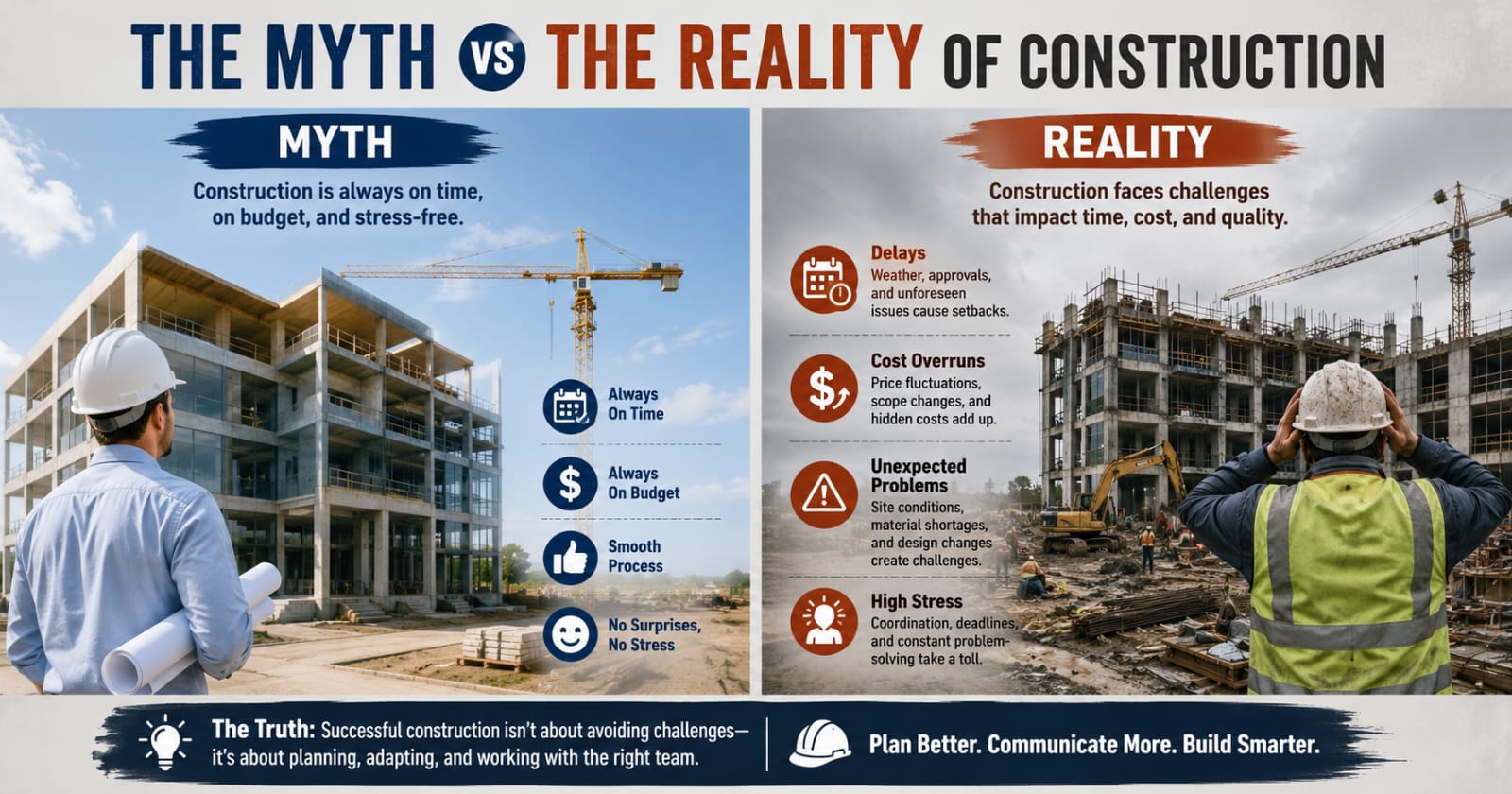
⚠️ Construction Myths vs Reality
⚠️ Construction Myths vs Reality: Separating Facts from Fiction Many people begin a construction project with ...
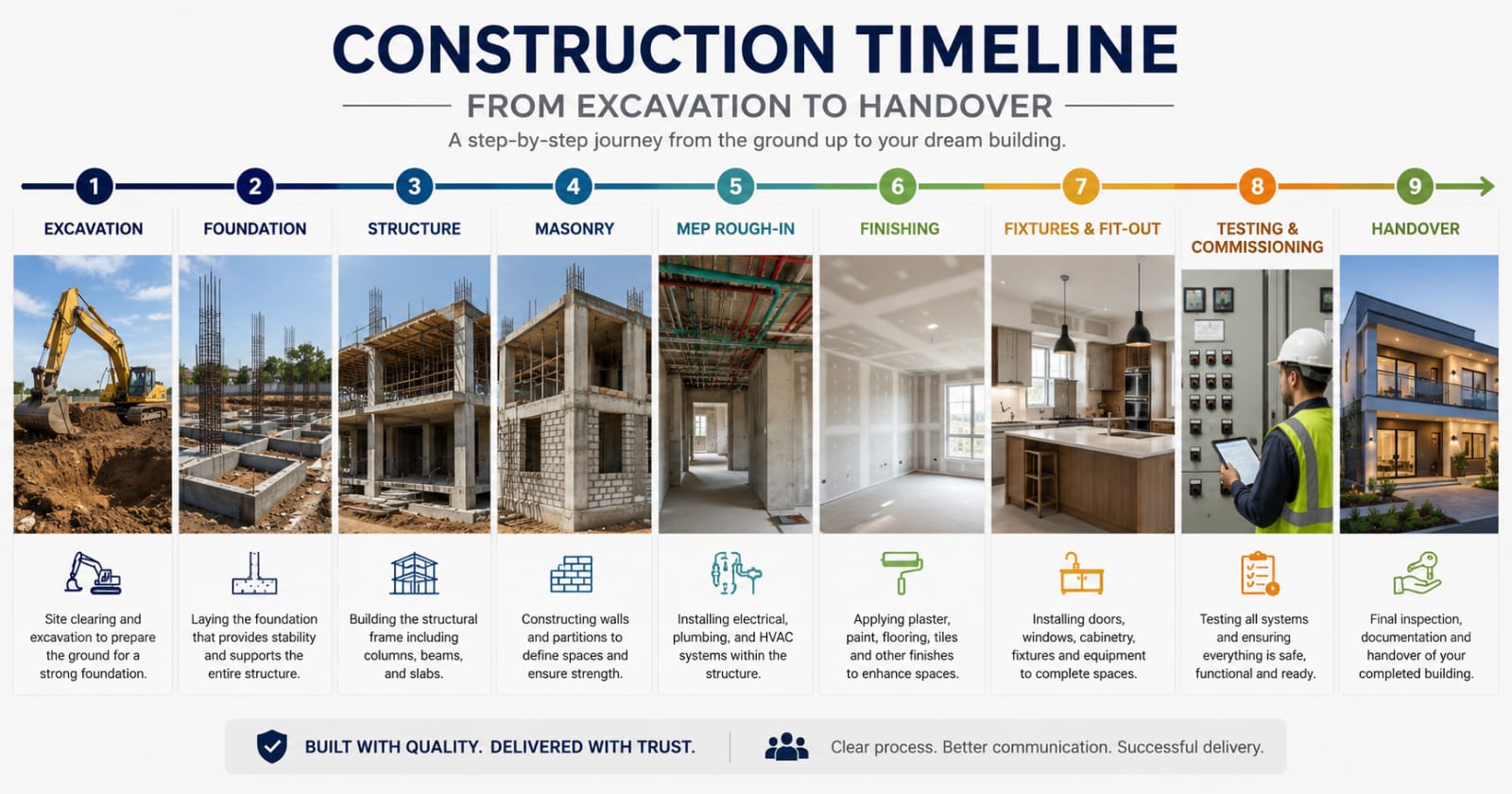
Construction Timeline: From Excavation to Handover
Construction Timeline: From Excavation to Handover – A Step-by-Step Journey to Building Excellence Every succe...