
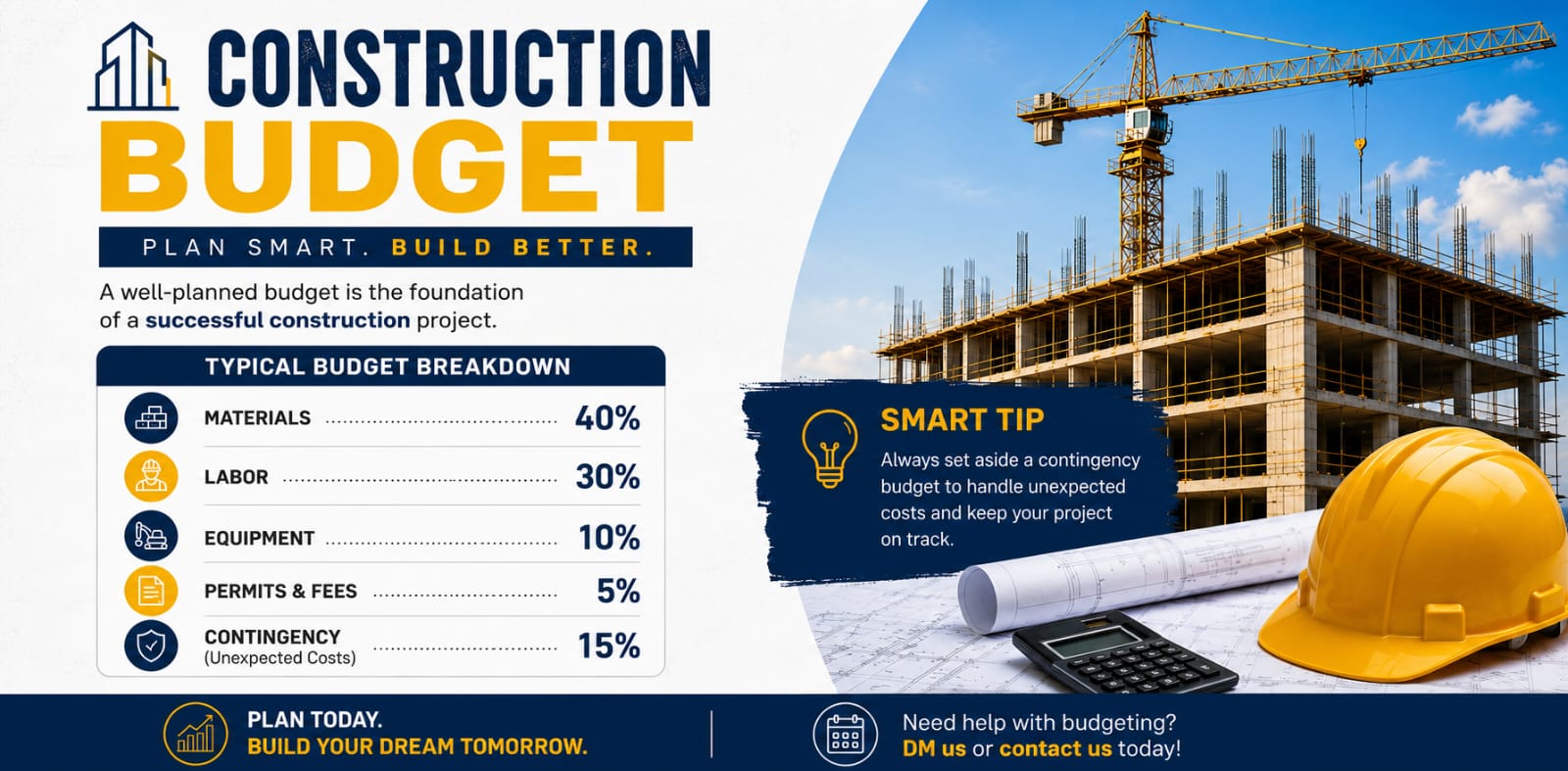
A Smart Guide to Building Without Financial Surprises
Building a home or commercial property is one of the biggest financial investments you’ll ever make. While most people focus on the design and appearance of a building, the real success of a project depends on how well the budget is planned.
A properly planned construction budget helps you control expenses, reduce delays, avoid unnecessary loans, and ensure that your project is completed with the desired quality. Without a financial roadmap, even a well-designed project can face cost overruns, compromises in material quality, and unfinished work.
Planning your budget doesn’t mean spending less—it means spending wisely.
📋 1. Define Your Project Goals First
Before estimating costs, clearly identify:
- Is it a residential, commercial, or renovation project?
- Total construction area (sq. ft./sq. m.)
- Number of floors and rooms
- Expected quality of materials
- Timeline for completion
- Future expansion requirements
A clear scope prevents costly design changes later.
💰 2. Prepare a Detailed Cost Breakdown
Instead of estimating one lump-sum amount, divide your budget into categories.
Typical Construction Cost Distribution
| Category | Approximate Share |
|---|---|
| Site preparation & excavation | 5–8% |
| Foundation & structure | 20–25% |
| Brickwork & masonry | 10–15% |
| Roofing | 8–10% |
| Electrical & plumbing | 10–15% |
| Flooring & tiles | 8–12% |
| Doors & windows | 5–8% |
| Painting & finishing | 5–10% |
| Interior work | 8–15% |
| Contingency reserve | 5–10% |
Breaking costs into sections makes it easier to monitor spending throughout the project.
🧱 3. Prioritize Structural Quality
The strongest buildings are built from the inside out.
Never compromise on:
- Cement quality
- Steel reinforcement
- Foundation work
- Waterproofing
- Structural design
- Skilled labor
Premium finishes can always be upgraded later, but repairing structural issues is expensive and disruptive.
📈 4. Research Material Prices Before Construction
Construction material prices change frequently.
Compare quotations for:
- Cement
- Steel
- Bricks or blocks
- Sand
- Aggregates
- Tiles
- Paint
- Plumbing fixtures
- Electrical fittings
Buying major materials at the right time can help reduce overall project costs.
📅 5. Create a Stage-Wise Payment Plan
Avoid paying the full project cost upfront.
A better approach is to release payments based on milestones, such as:
- Site preparation
- Foundation completed
- Ground floor structure
- Roofing
- Electrical & plumbing
- Flooring
- Painting
- Final finishing
- Project handover
This improves financial control and helps ensure quality at every stage.
⚠️ 6. Keep an Emergency Fund
Unexpected expenses are common in construction.
Examples include:
- Material price increases
- Design modifications
- Weather delays
- Additional labor
- Utility connections
- Permit-related expenses
Keeping 5–10% of your budget aside can help manage these situations without disrupting the project.
🌟 Budget Planning Tips
✅ Think About Lifetime Cost, Not Just Initial Cost
Choose materials that last longer and require less maintenance, even if they cost a little more upfront.
✅ Design According to Your Budget
Avoid copying luxury designs that exceed your financial capacity. A practical design often delivers better value than an oversized one.
✅ Finalize Every Drawing Before Construction Starts
Frequent design changes after work begins increase labor costs, material wastage, and project delays.
✅ Invest in Energy Efficiency
Features such as insulated roofs, natural ventilation, LED lighting, and rainwater harvesting may increase initial costs slightly but reduce utility bills over time.
✅ Track Every Expense
Maintain a simple spreadsheet or budgeting app to record every purchase, labor payment, and invoice. Regular tracking helps identify overspending before it becomes a major issue.
🚫 Common Budgeting Mistakes to Avoid
- Starting construction without a detailed estimate.
- Selecting contractors based only on the lowest quotation.
- Ignoring permit and approval costs.
- Making last-minute design changes.
- Purchasing low-quality materials to reduce costs.
- Forgetting to budget for landscaping, boundary walls, and utility connections.
- Not maintaining a contingency reserve.
💡 Pro Tips from Construction Experts
✔ Request a detailed written estimate before work begins.
✔ Compare multiple quotations instead of accepting the first offer.
✔ Purchase high-value materials from trusted suppliers.
✔ Conduct regular site inspections to monitor progress and spending.
✔ Keep clear documentation of all payments and invoices.
✔ Focus on durability, safety, and quality—not just appearance.
✅ Conclusion
A successful construction project is built on careful planning, disciplined budgeting, and informed decision-making. Every rupee spent should contribute to the strength, functionality, and long-term value of your property.
By setting realistic goals, tracking expenses, prioritizing structural quality, and preparing for unexpected costs, you can complete your project with greater confidence and fewer financial surprises.
At HM Construction, we believe that smart budgeting is the foundation of successful construction. With transparent cost planning, quality workmanship, and efficient project management, we help clients turn their vision into reality—on budget and built to last.
Related Articles
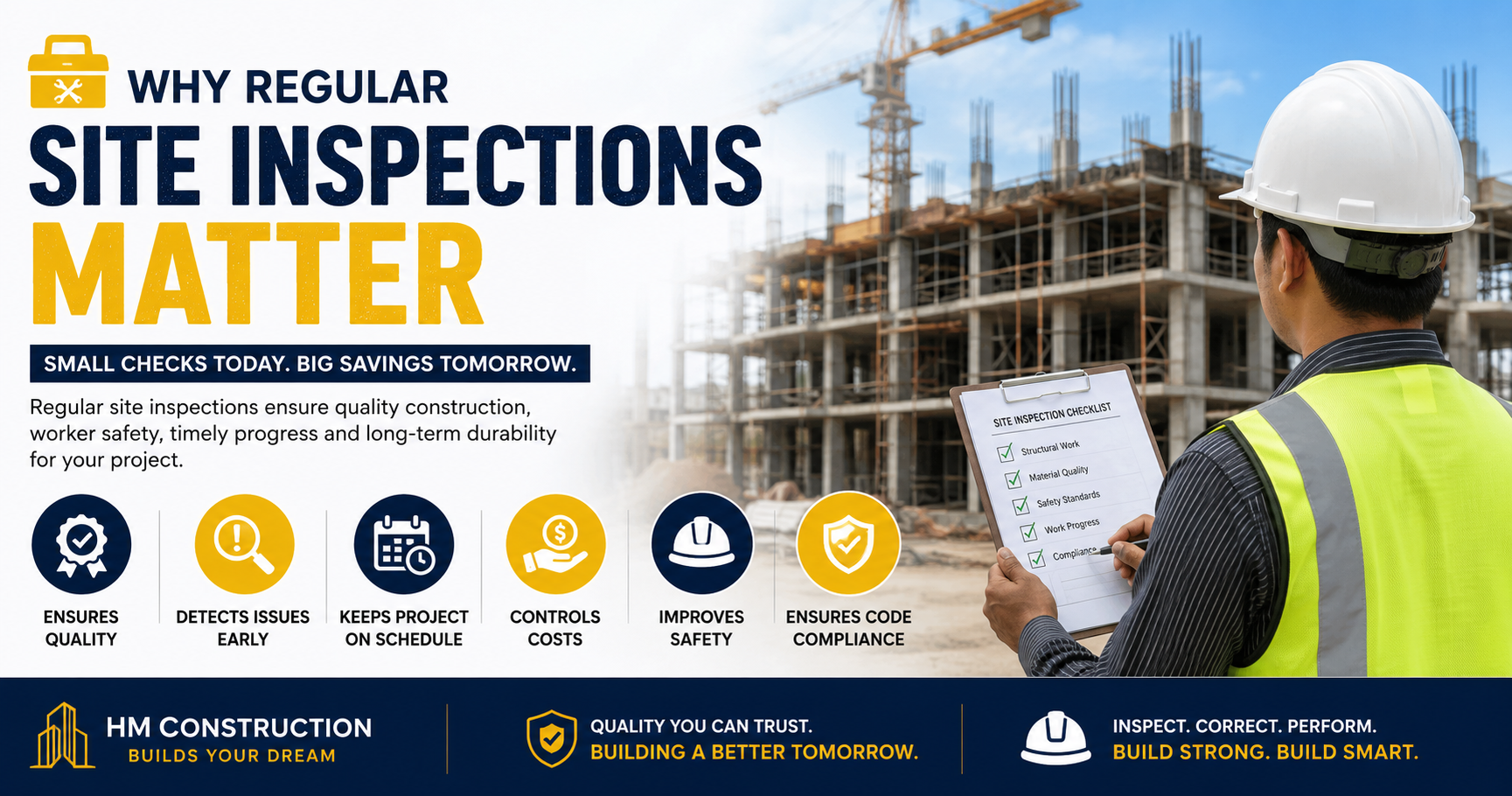
🧰 Why Regular Site Inspections Matter
🧰 Why Regular Site Inspections Matter Building Quality Starts with Consistent Supervision Construction is mor...
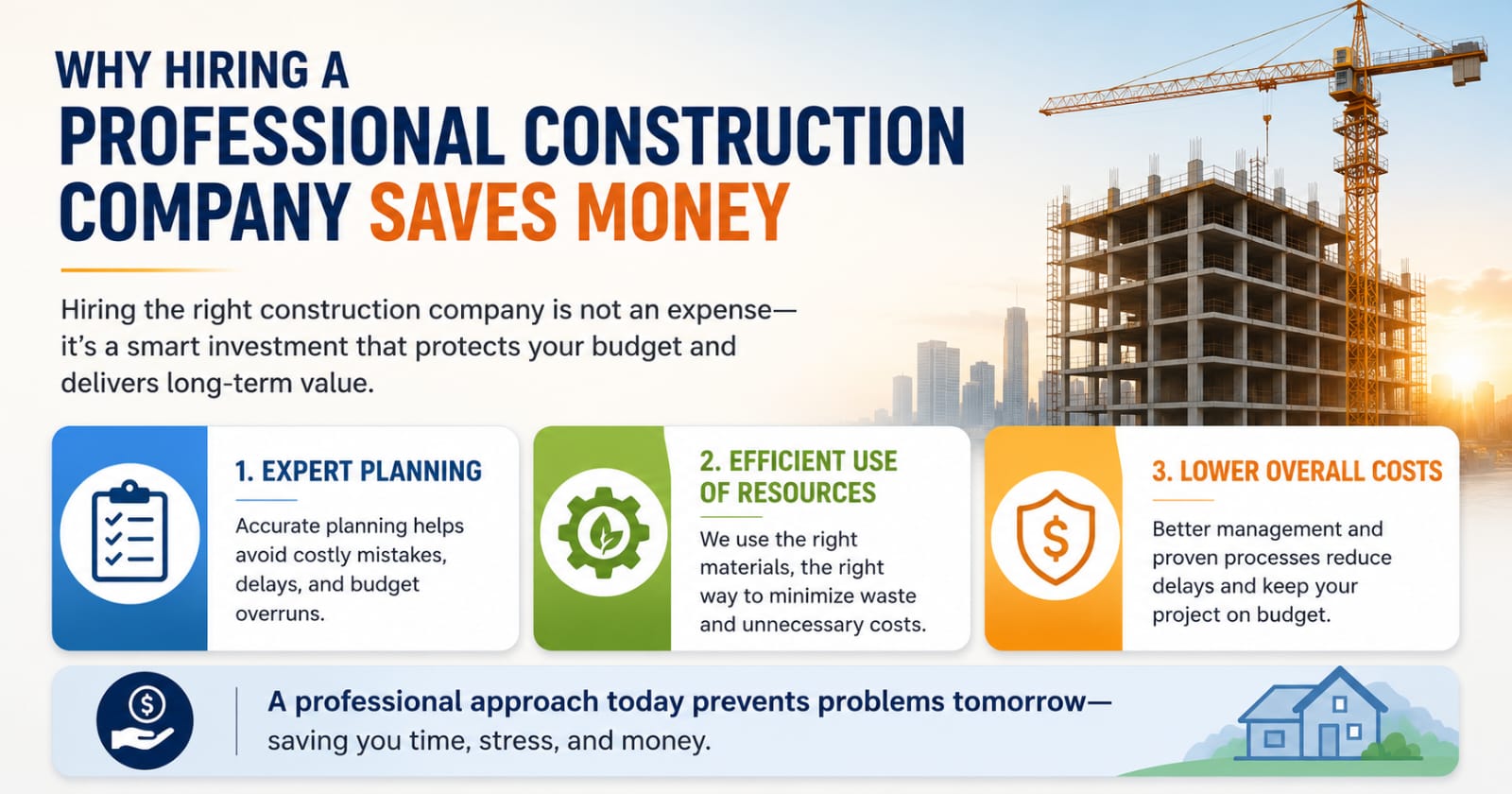
🧰 Why Hiring a Professional Construction Company Saves Money
🧰 Why Hiring a Professional Construction Company Saves Money Building a home or commercial property is one of...
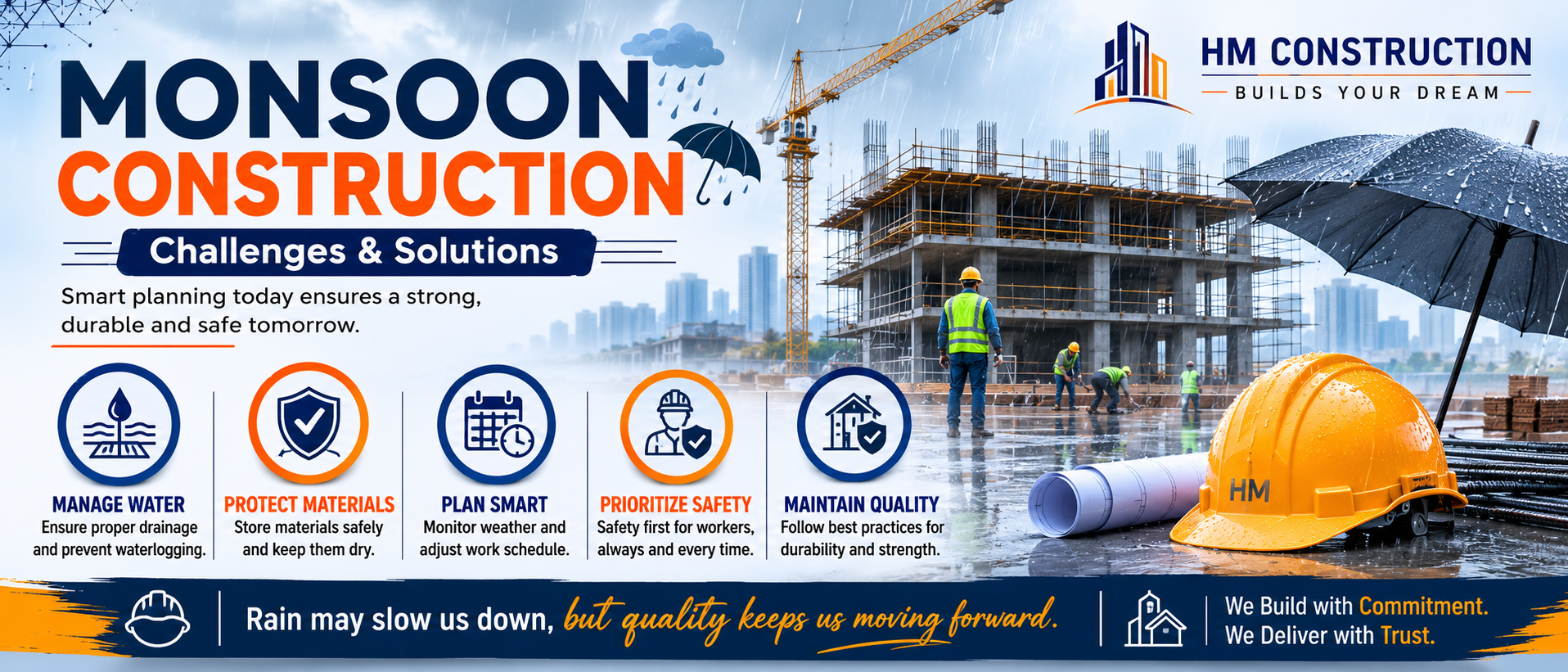
🌧️ Monsoon Construction: Challenges & Solutions
🌧️ Monsoon Construction: Challenges & Solutions Building Strong Even During the Rainy Season The monsoon ...