
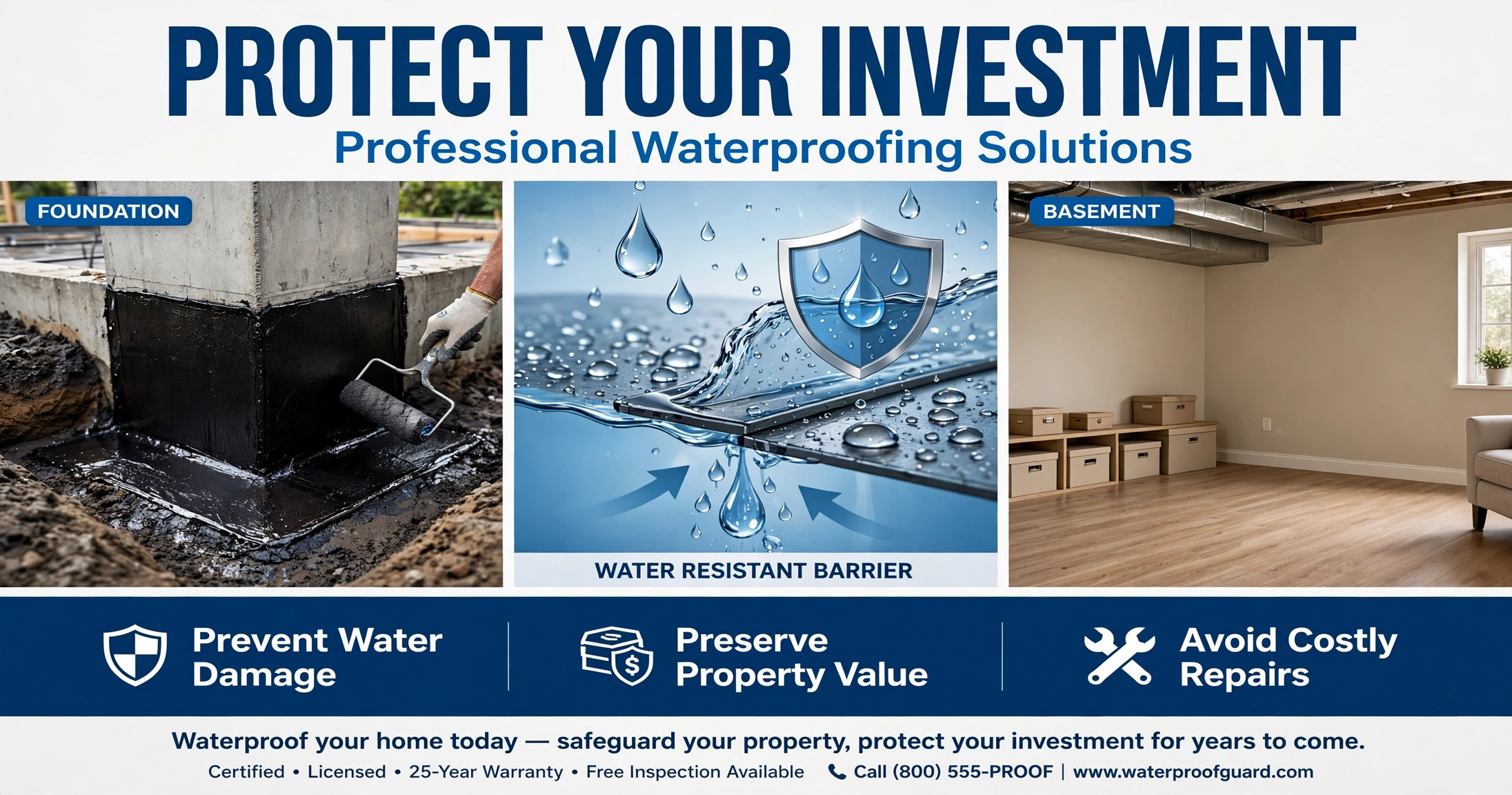
🏗️ 💧 Waterproofing: Protect Your Investment Before It’s Too Late
Water is one of the biggest threats to any building. Even the strongest structure can suffer serious damage if water is allowed to seep through walls, roofs, basements, or bathrooms. Waterproofing is not just an optional finishing step—it’s a critical part of construction that protects your property, reduces maintenance costs, and extends the life of your building.
🌧️ What is Waterproofing?
Waterproofing is the process of applying specialized materials and techniques to prevent water from entering a building. It creates a protective barrier that keeps moisture out while safeguarding the structural integrity of the property.
Whether it’s a residential home, commercial building, office, or industrial facility, proper waterproofing ensures long-term durability and comfort.
🏠 Why Waterproofing is Essential
1️⃣ Prevents Water Leakage
Water seepage through roofs, walls, balconies, or basements can damage interiors, weaken structures, and lead to costly repairs. Waterproofing stops water from penetrating these vulnerable areas.
2️⃣ Protects Structural Strength
Continuous exposure to moisture can corrode steel reinforcement, weaken concrete, and reduce the overall strength of the building. Waterproofing helps preserve the structural integrity for years to come.
3️⃣ Prevents Dampness and Mold Growth
Moist environments encourage mold, mildew, and fungus, which not only damage walls but can also affect indoor air quality and the health of occupants.
4️⃣ Reduces Maintenance Costs
Repairing water damage often involves repainting, replacing plaster, fixing ceilings, or repairing structural elements. Investing in waterproofing during construction is far more economical than repeated repairs later.
5️⃣ Increases Property Value
A well-maintained, leak-free building is more attractive to buyers and tenants. Waterproofing enhances the overall quality and long-term value of the property.
6️⃣ Improves Indoor Comfort
Dry walls and ceilings create a healthier and more comfortable living or working environment by eliminating unpleasant odors, stains, and damp patches.
📍 Areas That Require Waterproofing
🏢 Roofs and Terraces
Roofs receive direct exposure to rain and sunlight. Without proper waterproofing, rainwater can seep into ceilings, causing leaks and deterioration.
Protection Benefits
- Prevents roof leakage
- Reduces concrete deterioration
- Protects ceiling finishes
- Extends roof lifespan
🚿 Bathrooms and Toilets
Bathrooms are exposed to water every day. Improper waterproofing can allow water to seep beneath tiles and into adjacent rooms.
Protection Benefits
- Prevents leakage into lower floors
- Protects walls and flooring
- Reduces tile damage
- Avoids costly repairs
🏠 Balconies and Open Terraces
Balconies are constantly exposed to rain and changing weather conditions.
Protection Benefits
- Prevents water seepage
- Protects external walls
- Prevents cracks
- Improves durability
🚗 Basements
Groundwater pressure can force moisture through basement walls and floors if they are not properly waterproofed.
Protection Benefits
- Keeps basement dry
- Protects stored items
- Prevents mold growth
- Strengthens foundation protection
💦 Water Tanks
Both overhead and underground water tanks require waterproofing to prevent leakage and contamination.
Protection Benefits
- Prevents water loss
- Stops leakage
- Protects concrete
- Ensures hygienic water storage
🧱 External Walls
Heavy rainfall and humidity can penetrate exterior walls if they are left unprotected.
Protection Benefits
- Prevents damp patches
- Reduces paint peeling
- Improves thermal performance
- Enhances appearance
⚠️ Signs Your Building Needs Waterproofing
Watch for these warning signs:
- Damp walls
- Water stains on ceilings
- Peeling or bubbling paint
- Mold or mildew growth
- White salt deposits (efflorescence)
- Cracks in walls
- Musty odors indoors
- Ceiling leakage during rainfall
Ignoring these signs can lead to more serious structural damage over time.
🛠️ Common Waterproofing Methods
Cementitious Waterproofing
A cost-effective solution commonly used for bathrooms, kitchens, and water tanks due to its ease of application.
Liquid Membrane Waterproofing
A flexible coating that forms a seamless protective layer on roofs, terraces, and balconies.
Bituminous Waterproofing
Widely used for roofs and basements, providing excellent resistance against water penetration.
Polyurethane Waterproofing
Known for its high flexibility and durability, making it suitable for areas exposed to harsh weather conditions.
❌ Common Waterproofing Mistakes
Many water-related issues arise because of poor planning or execution. Avoid these common mistakes:
- Using low-quality waterproofing materials
- Skipping surface preparation before application
- Ignoring joints, corners, and pipe penetrations
- Applying an uneven or insufficient coating
- Not testing the waterproofed area before finishing
- Delaying waterproofing until after leaks appear
Proper workmanship is just as important as choosing the right waterproofing product.
💡 Tips for Long-Lasting Waterproofing
✔ Choose certified, high-quality waterproofing materials.
✔ Hire experienced professionals for application.
✔ Waterproof all high-risk areas during construction.
✔ Conduct regular inspections, especially before and after the monsoon.
✔ Repair small cracks immediately to prevent water intrusion.
✔ Ensure proper drainage systems to avoid water accumulation.
📈 Long-Term Benefits
- ✅ Longer building lifespan
- ✅ Lower maintenance and repair costs
- ✅ Stronger structural integrity
- ✅ Better indoor air quality
- ✅ Protection against mold and dampness
- ✅ Improved property value
- ✅ Greater comfort and peace of mind
🏗️ Final Thoughts
Waterproofing is an investment that protects your property for decades. A building may look impressive on the outside, but without proper protection against water, its durability can be compromised over time. By incorporating professional waterproofing during construction, you can avoid expensive repairs, preserve structural strength, and create a safer, healthier environment.
“Don’t wait for a leak to remind you of the importance of waterproofing. Build smart, protect early, and enjoy lasting peace of mind.”
Related Articles
🧰 Why Regular Site Inspections Matter
🧰 Why Regular Site Inspections Matter Building Quality Starts with Consistent Supervision Construction is mor...
🧰 Why Hiring a Professional Construction Company Saves Money
🧰 Why Hiring a Professional Construction Company Saves Money Building a home or commercial property is one of...
🌧️ Monsoon Construction: Challenges & Solutions
🌧️ Monsoon Construction: Challenges & Solutions Building Strong Even During the Rainy Season The monsoon ...